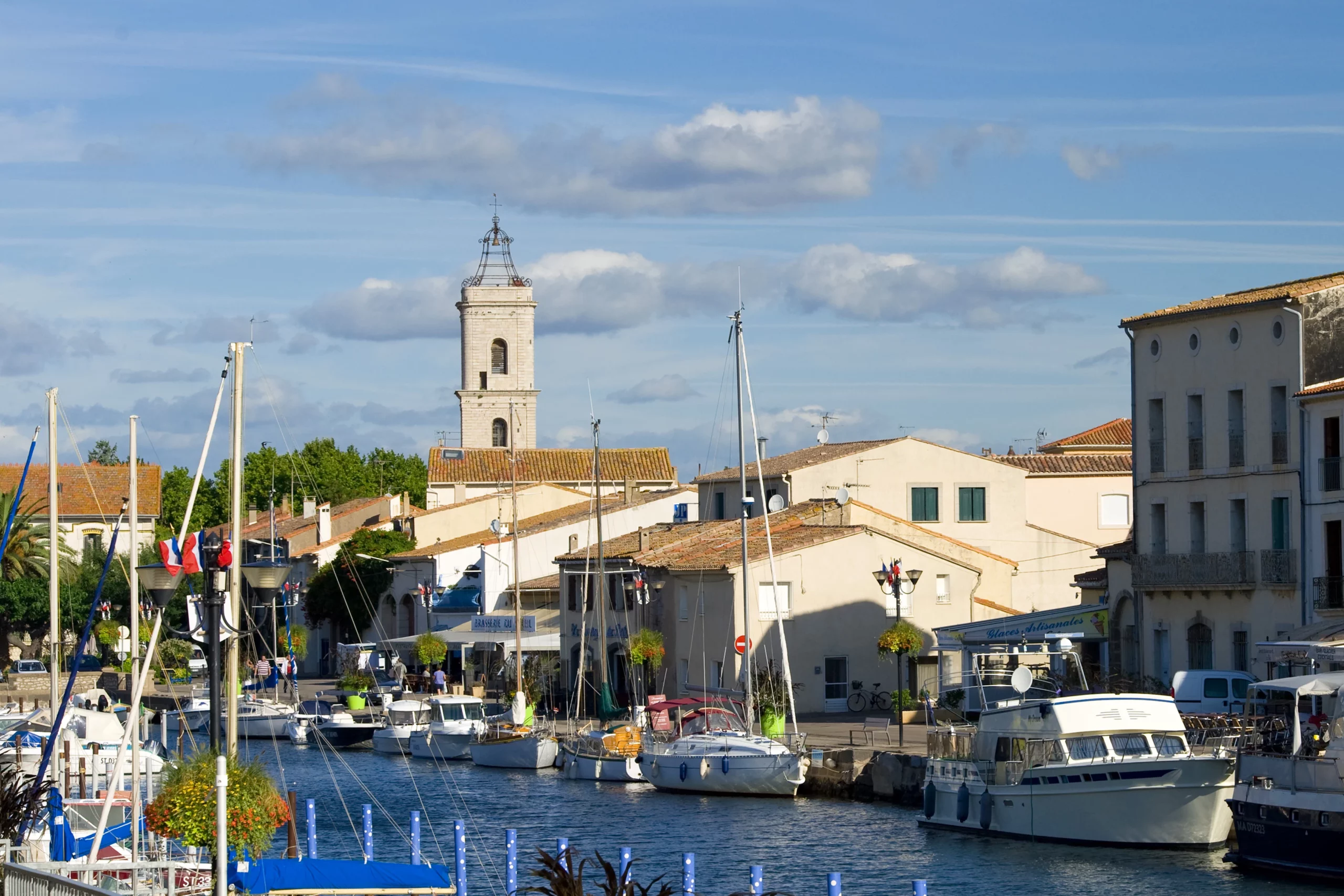
The harbour village of Marseillan, on the Languedoc coast, is one of those places where people really seem to know how to enjoy life. On a late winter’s day, the waterfront restaurants are thronged by locals tucking into crisp white wine and shared plates of seafood: the area is known as the oyster capital of the Med. A canoeist drifts past, and so intense is the sun that one hardy elderly man is strolling along the harbour in nothing but a skimpy pair of shorts.
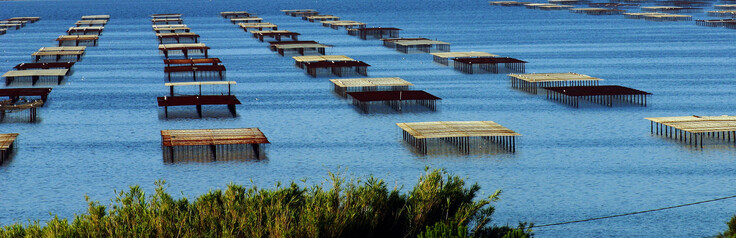
Marseillan is one of a handful of scattered villages that edge the Etang de Thau, a large saltwater lagoon that runs from Sète to Agde. Its glassy surface is dotted with hundreds of wooden oyster tables. As the sun sets over the water, the oyster farmers head back to their baraquettes — wooden shacks that dot the water’s edge — and share some of the day’s catch over a bottle of picpoul.
Some of these baraquettes — La Cabane, Le St Barth and La Ferme Marine — have become popular restaurants, raved about on TripAdvisor, but they remain simple, earthy places where you go to enjoy the fruits of the surrounding sea and vineyards.
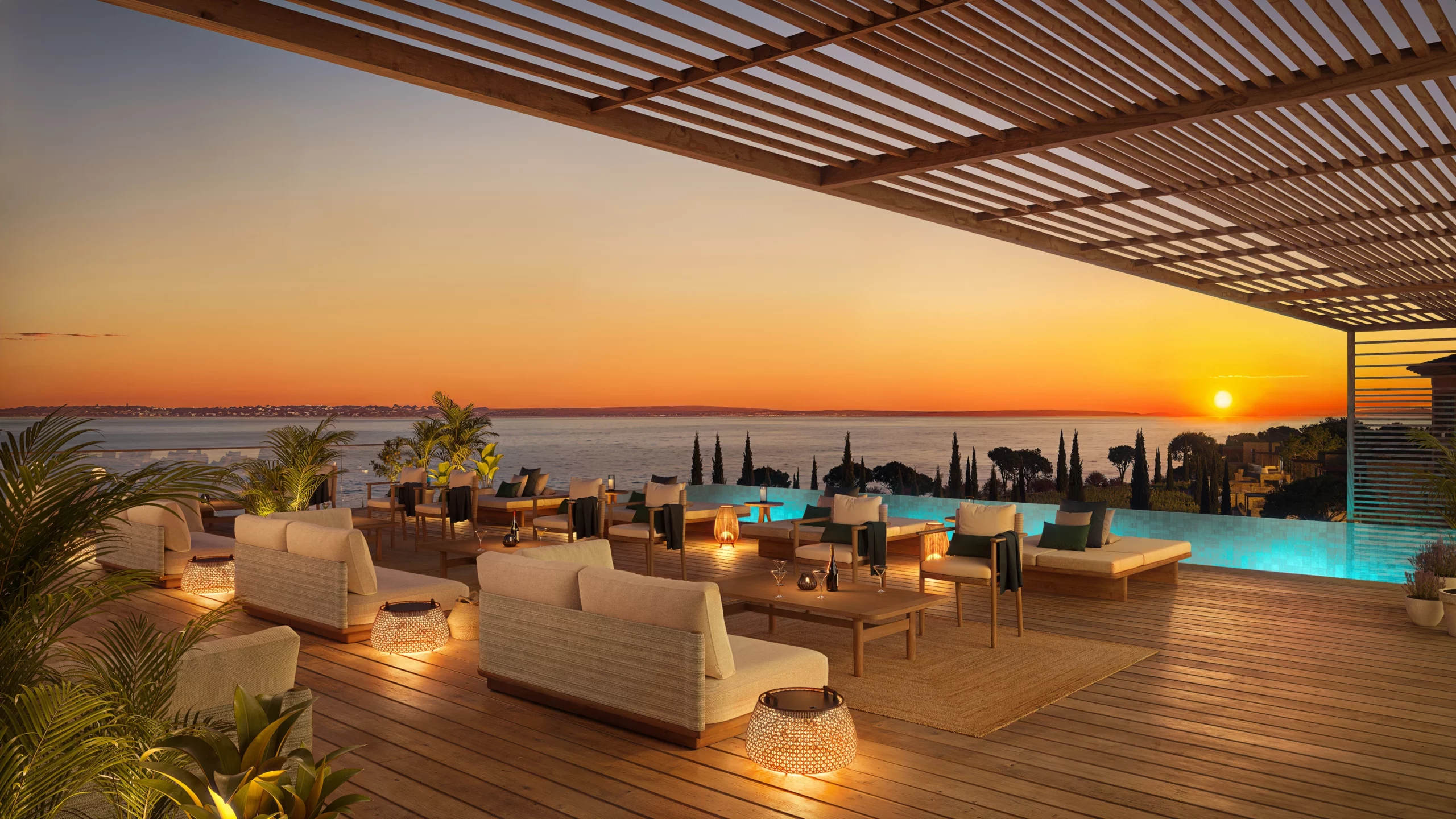
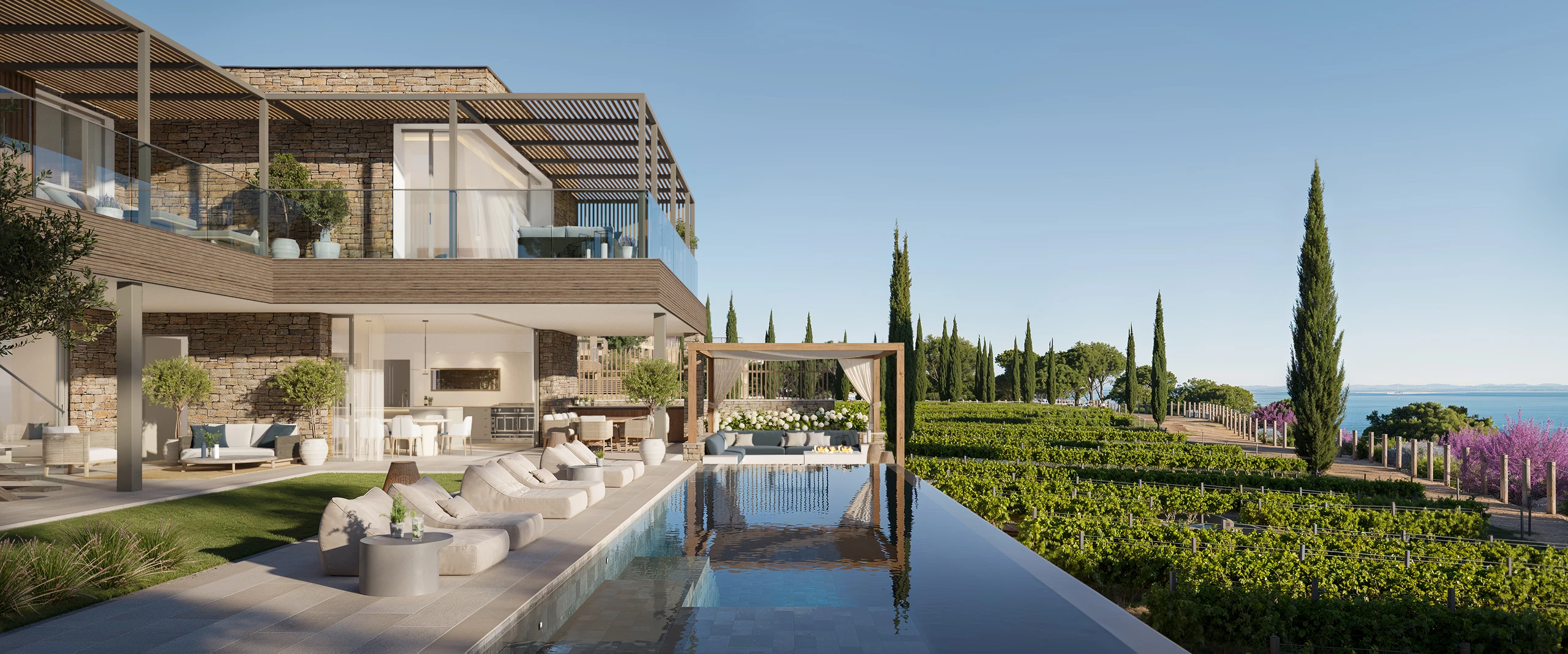
Port Marseillan Resort and Residences will be the first seafront vineyard resort in France — a winning combination for anyone who dreams of gazing at the sea from their terrace, wineglass in hand. There will also be a five-star hotel and spa on site, it should bring a new level of luxury to the Languedoc.
There will be six 300 sq metre waterfront villas with a yoga deck and a wine cellar, and a an underground “play area” (to include a home cinema and a sauna), hi-tech mod cons and an infinity pool overlooking the vines and the lagoon. Although highly contemporary in style, they are being called “modern French Mediterranean” by the project’s Barcelona-based architects, Slow Life, who drew inspiration from the sandstone walls, large shuttered windows and iron balconies of the traditional winemakers’ houses that line the village streets.
Port Marseillan’s lifestyle is available for less, with flats — at least half of them with sea views, the rest above shops, cafes and art galleries overlooking a newly built town square, Place de la Port Marseillan, a short stroll from the harbour. There are also “patio villas”, with between two and four bedrooms and a private pool.
Charles Weston Baker, head of international developments at Savills estate agency, describes it as “the best new project in France in 20 years”. That’s high praise from a man who has marketed many of the world’s most luxurious resorts. He rates it alongside the five-star Alpine village of Arc 1950 and the Provence Country Club, 90 minutes’ drive inland from Marseilles.
Weston Baker says. “It would be €8,000-€12,000 a square metre for something like this on the Côte d’Azur. A Mediterranean view is at a premium now, and this project offers great value for money.
“Since the recession, there have been few projects in France, and this is by far the best located. It’s within walking distance of a charming old town with a working harbour. There’s a real beach in front of the resort, and you have several airports within a two-hour drive. There are lovely projects here, there and everywhere, but for British buyers, you have everything you want here.”
The project’s developer is Miguel Espada, director of Propriétés & Co. He has worked on several renovation schemes in the region, including Couvent d’Hérépian, rated as one of the best boutique hotels in France, and Château de la Redorte, an 18th-century wine estate where flats start at £142,000. He has a policy of buying a property in each of his developments. “If we don’t invest, we don’t build,” he explains. “If there’s a problem with the management company, then I have the same problem as every other owner.”
Other developers in the Languedoc are also capitalising on the region’s wine heritage and historical charm. Yet these are all inland. Espada hopes that the waterfront setting will be Port Marseillan Resort and Residences’ greatest selling point. “I’ll never get another plot of land like this in my life,” he says, looking across the lagoon to the five-mile beach that separates it from the sea near the lively port of Sète.
Espada tested the water in Marseillan with two smaller projects — Port Rive Gauche, a block of flats on the waterfront, and Domaine de la Mandoune, a converted wine estate set 500yd back from the lagoon. Marseillan’s mayor is keen to push ahead with Port Marseillan Resort and Residences and has commissioned a park on a neglected area of the waterfront.
For the developer, this is about far more than building holiday homes. “I get 3,000 proposals a year for projects to take on, but we’re not just doing real estate,” he says. “We work on sensitive projects — historic buildings, seafront locations — building ties with the local town and local producers, and helping the destination market itself.”
Owners will have the chance to get involved in the local community through regular events such as talks and tastings. They can also get stuck into the wine side of things — which is the domain of Miguel’s wife, Cécile. She runs the Seigneurie de Peyrat vineyards, which have been in her family for generations, and will take charge of Port Marseillan Resort and Residences’ vineyard, producing white, rosé and sparkling wine and presenting each owner with two cases of the estate’s vintages each year.
According to Espada, a golden triangle is emerging for French second-homers (as well as the odd billionaire Russian and a sizeable number of Scandinavians). It covers the area between Marseillan, Bouzigues — another serene lagoon-side village — and postcard-pretty Pézenas, a market town with pastel-coloured buildings, a proliferation of art galleries and a Saturday market that takes over the streets of its ancient centre. “Chief executives, artists and some famous names have holiday homes here,” he says. “The area offers everything you want from the Med.”
Despite the Languedoc’s popularity — about 15m people visited the region last year, and it’s often voted the area that the French would most like to retire to — the developer admits that it lacks tourist infrastructure. “There’s little in the way of tourist facilities, and banks don’t consider resorts such as Port Marseillan Resort and Residences an asset class worth lending on,” says Espada, who self-finances his projects. He built his first development, Domaine des Pins, with the money he made from the sale of Photoways (now merged with PhotoBox), the online printing company that he co-founded in 2000.
This is a region rooted in tradition and a love of what comes from the land. Port Marseillan Resort and Residences may cause a splash thanks to its multimillion-pound villas and five-star hotel. But its popularity will lie in offering buyers a chance to lap up the simple pleasures — sunshine, wine, sea — that the Languedoc does best.
Previously published in The Sunday Times