Press & Media

Like St Tropez before Bardot

ex-kitten starlets are thin on the sun-seared ground. So are €6,000 cotton beach dresses with Mongolian fur trim, Lamborghini Gallardos ostentatiously parked in front of harbourside cafes, and gin-palace superyachts. And you certainly won’t see estate agents with details of stratospherically pricey villas in French, English and Russian.

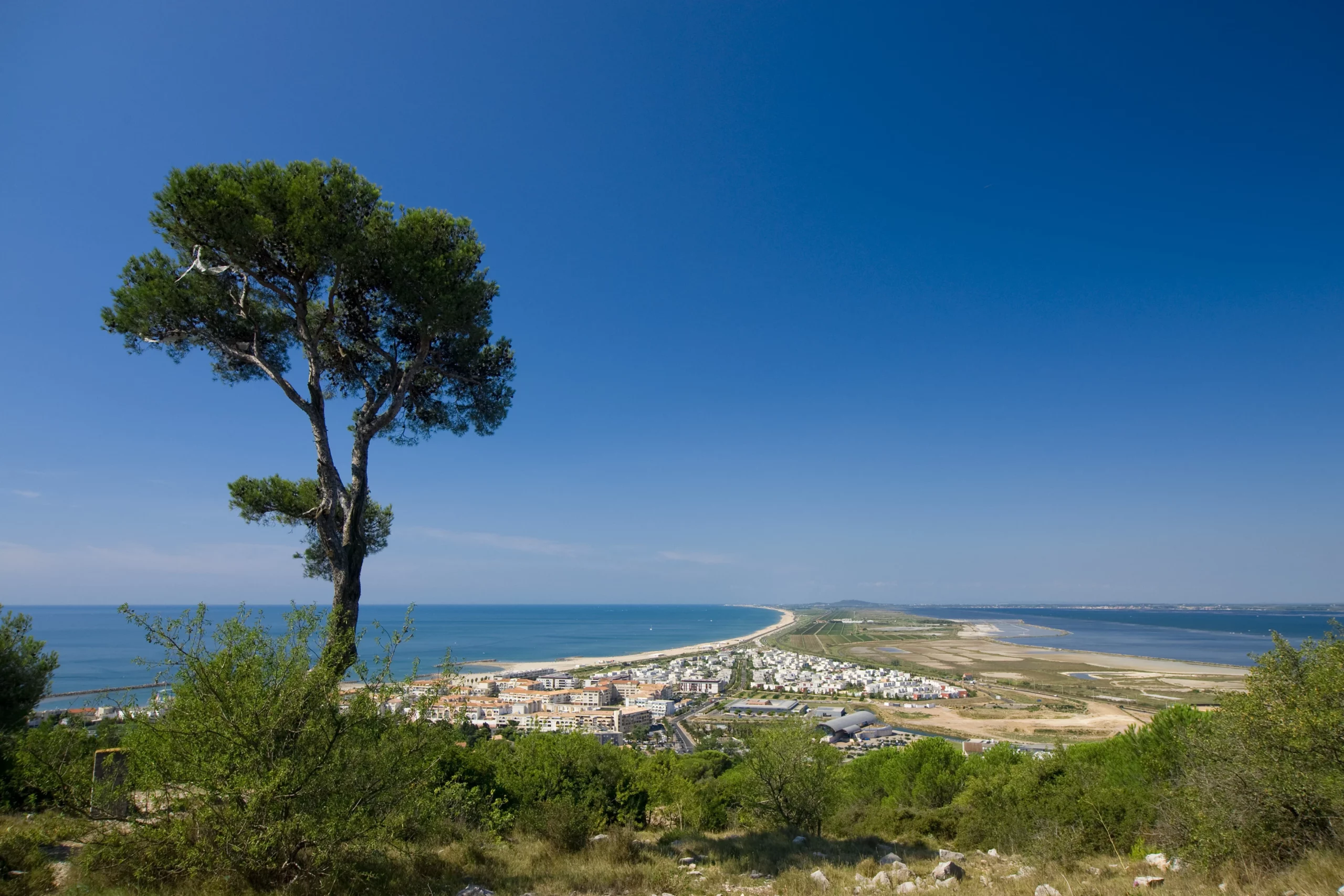
Yet the petite port of Marseillan on the Languedoc coast, kissing a Mediterranean lagoon east of Béziers, has an undeniable frisson of St Tropez. Not the 2009 Riviera honeypot oozing bling, Eurotrash and traffic, but the serene isolated fishing village that first attracted artists and writers in the late 19th century, and then Bardot and the jet set in the 1950s.

As elsewhere in the south of France, looks count. While no doppelgänger, Marseillan shares strands of scenic DNA with its more famous Côte d’Azur counterpart. The views across its dazzling turquoise water to the hillside rooftops of Sète are reminiscent of St Tropez’s to Grimaud and Sainte-Maxime. And both ports have excellent beaches a couple of miles outside town – although you’ve far less chance of being hit by a wayward Cristal cork around Marseillan plage.

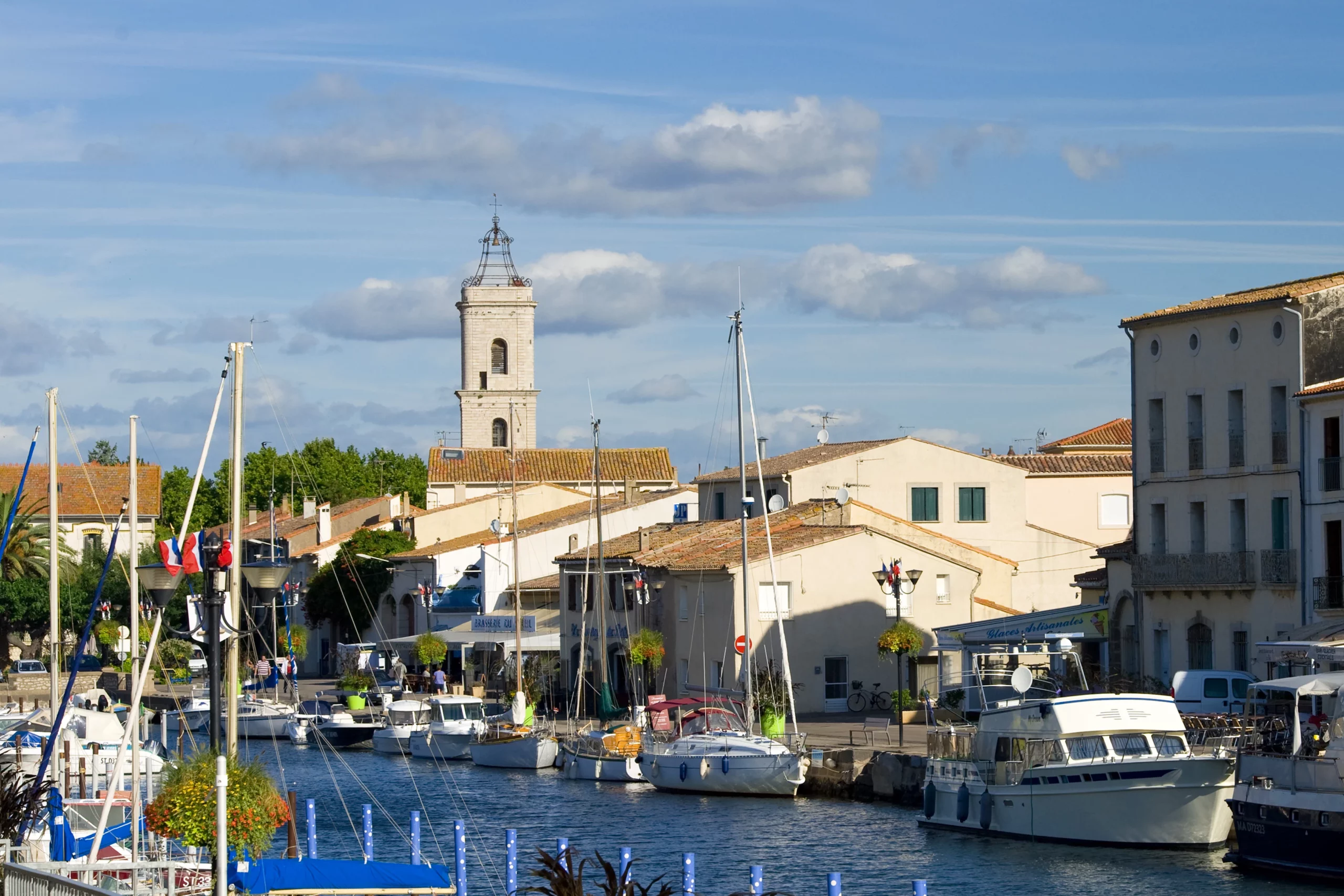
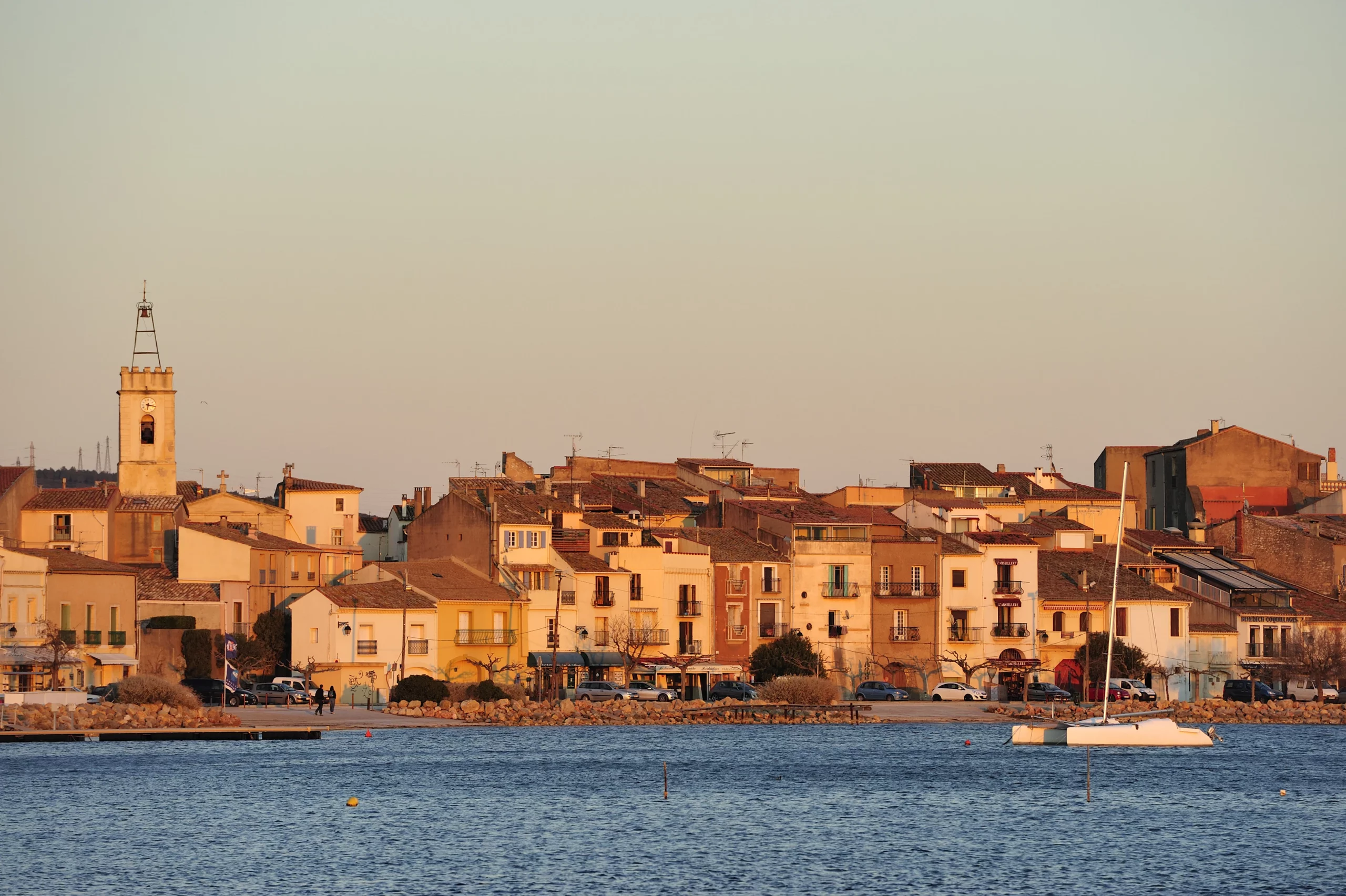
But it’s the town’s protected 17th-century harbour that really captures the early Riviera vibe. Low-level houses laced with wrought-iron balconies and splattered with flowers swaddle a channel that jiggles with small boats and yachts, with a left bank of thriving restaurants and cafes.

And now unpretentious, laid-back Marseillan has some seriously stylish new accommodation. Port Rive Gauche, a converted 19th-century wine storehouse (booming trade spawned several monumental cellars near the waterfront) has two-bedroom apartments with balconies and terraces bombarded with startling lagoon light – all whites and light greys with beams, limed wood floors, and artfully distressed furniture. The little touches – antique dressmakers’ dummies to hang clothes, old trunks and French words spelt out in jumbo metallic letters – are guaranteed to induce serious interior design envy.

So far, so chic. But despite its cool contemporary mood, the development – the only hotel near the harbour – seems to slip easily into Marseillan life. It doesn’t appear to be an early sign of St Tropez-isation. The port’s holiday trump card, after all, is its low-key charm and authentic local activities. It’s why I found myself on the water with Jean-Claude Caumil. The ludicrously healthy retiree offers boat rides around the Bassin de Thau but shows little evidence of brutal commercialisation. His afternoon trip costs just €8pp.

It wasn’t just excellent value, it was also fascinating. The massive lagoon has more than 700 Mediterranean species, including seahorses, and lies at the eastern end of the Canal du Midi, the 240km Unesco world heritage site.

“Do you want Toulouse or Bordeaux?” asked Jean-Claude, as we dissected its narrow entrance, nosing alongside the abandoned rusting hull of the Louisdaky from Cape Town.

Like the best travel, it’s the quirky surprises, rather than the well-known show-stoppers, that hit the high notes. After passing the famed Les Glénans sailing club, where you ring a bell to summon a water taxi across the canal, Jean-Claude turned back to the lagoon, floored the engine and made a gesture of an elderly jockey whipping a horse. We bounced across the water like a giant Space Hopper, windsurfers and kitesurfers trailing in our wake.

After anchoring we spear-fished – I’ve never seen dorado laugh quite so brazenly – and snorkelled in crystal-clear shallows through waving seagrass. But best of all we simply slumped in the boat, let the sun freckle our faces and talked about nothing and everything. “I miss some things about work,” mused Jean-Claude, who swapped his nearby hotel for 364 days a year on the water. “It had a nightclub and 250-cover restaurant. But it’s good to relax.”

He appears to have it nailed. And he’s not alone. Locals around Marseillan have turned relaxation, lubricated with decent wine and fresh seafood, into an art form. A few hours later, I’m outside a white-walled, red-roofed chateau, sipping rosé and shooting the breeze with the owners, Pierre and Marie-Christine Fabre de Roussac. Tucked into magnificent towering trees, Domaine de la Bellonette is one of several grand estates lining the Bassin’s north shore.

It offers spacious rooms with period furniture and a recently converted studio, but I was there for a major foodie treat: the local speciality of brazucade – a mussel barbecue with shellfish straight out of the briny.

In the past, when fennel was as common as nettles, chefs would cover the crustaceans with a generous blanket of the herb, before torching it to generate a steaming scented infusion. When the shells popped, it was job done. Ours was a tad more mainstream, with mussels cooked over glowing wood embers, but it still beat the hell out of burgers and chicken wings, particularly with its side-serving of zingingly fresh oysters. “I once made a 12m-long brazucade,” said Pierre, casually opening another Languedoc wine. “It was no particular occasion. Just pleasure. Why not? We are French. We are Gaulois.”

And also, Pierre, because you don’t have to cook on a £20 B&Q barbie. But it’s hard to disagree with the south-west joie de vivre. A couple more wines and I was seriously considering relocating.

Spend any time in Marseillan and you’re constantly pulled back to the Bassin de Thau. All life swirls around, on or underneath it.

It’s why I headed east along the shore to Medi Thau. It sounds like a centre for genetic engineering. And in a sense it is – only for oysters, not humans. The family firm has revolutionised the farming of the acclaimed crustaceans that thrive on the lagoon’s phytoplankton.

Instead of submerging them on ropes for 12-18 months’ growth, Medi Thau’s solar-powered lifts regularly pull them out of the briny for hours, sometimes days, at a time. The result is that, rather than endlessly gorging, the critters are forced to keep their mouths closed to retain water – a mini workout.

“We make them suffer a little,” says fisherman and directeur général Florent Tarbouriech, as we cruise around the sun-dappled oyster beds. “It makes them stronger, more muscular, more fleshy.”

The tubby, plump beauties are up to 17% bigger than normal, fit to grace dining tables in Venice, Hong Kong and Shanghai. They also have a suntan: exposure to ultra-violet rays gives the shells a delicate rose blush and the name Pink Diamond.

But in Marseillan you don’t need to splash a second mortgage at a flash restaurant. Medi Thau serves the super-sized aphrodisiacs in its straw-roofed shack, dripping with geraniums and surrounded by old fishing nets. The Pink Diamonds are extraordinary, more like steaks than oysters, with an addictive sweet aftertaste.

“All this just by lifting them out of the water,” says Florent, as he prizes open another fleshy specimen. “C’est trés jolie. C’est incroyable.” Which, worryingly, is exactly what director Roger Vadim and many others said about Brigitte Bardot in her 1950s St Tropez heyday.

But while Pink Diamonds are another recent development guaranteed to put Marseillan on the food and travel map, the small port seems more than capable of retaining its unhurried, sunny, bling-free charm.

Port Marseillan Harbor

South Of France Gets A New Luxury Seafront Resort With Villas And Vineyard

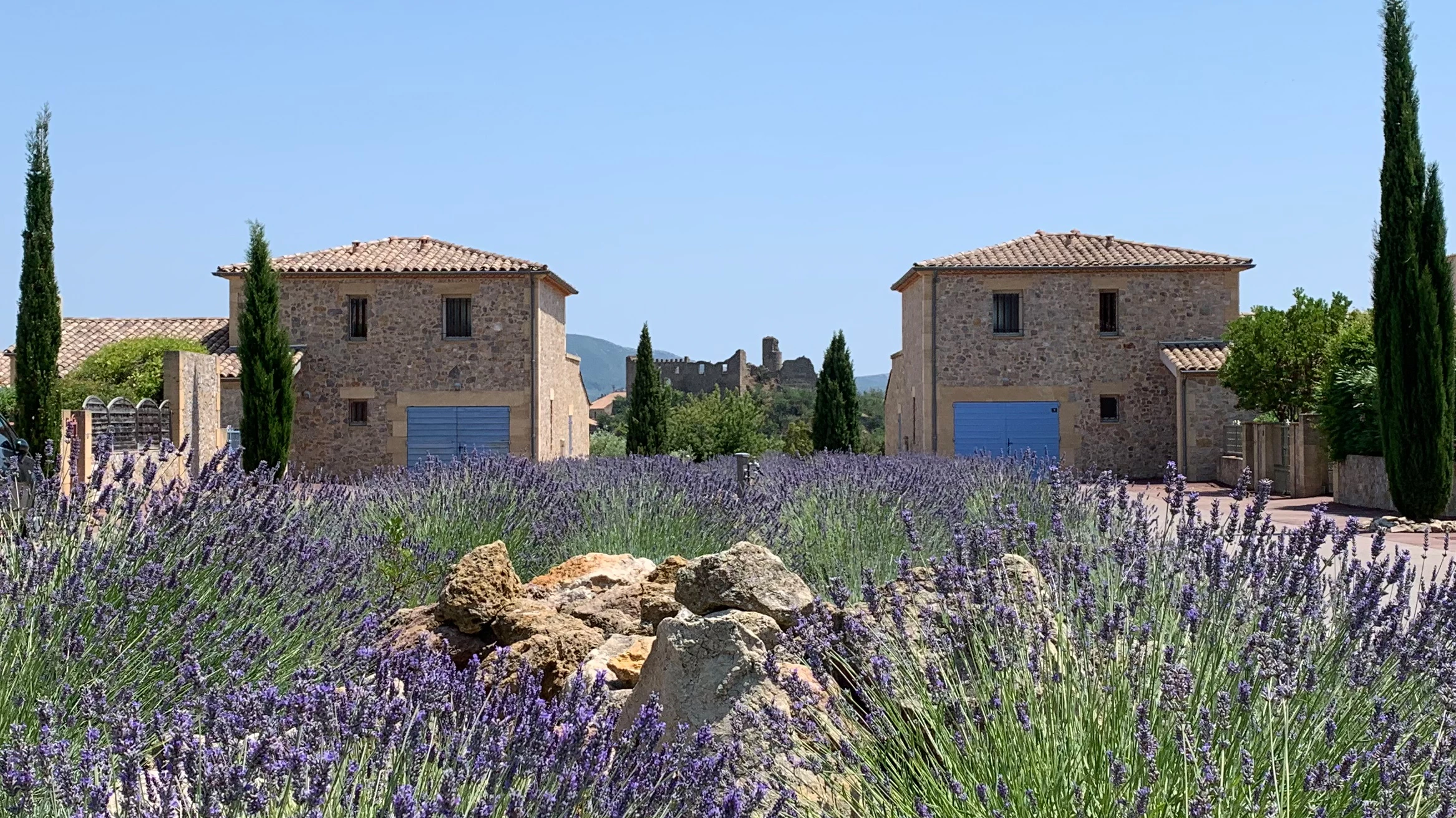
Offering a modern twist on French living, the resort’s architecture was designed by Slow Life Architects to be cohesive with the traditional buildings in the area, many of them dating back to the 12th century. The resort was developed by Propriétés & Co to extend the fishing village of Marseillan.

The UNESCO Heritage site of Marseillan is perhaps one of the oldest French towns founded in the sixth century B.C. It is known for its wine production today and is the largest wine-producing area in the world.

The development will include 133 studios to four-bedroom stylish apartment residences, 30 Mediterranean patio villas, as well as four spectacular waterfront villas. Prices range from mid $400,000 for a one-bedroom Garden Suite to $5.3 million for a luxurious Waterfront Villa.

The residences range from one-bedroom garden suites and larger apartments to the ultimate villas in the Waterfront Collection. Each of the four villas will feature private underground parking, a large basement with a state-of-the-art cinema, billiards room, a private wine cave, and a sauna. The villas will also 

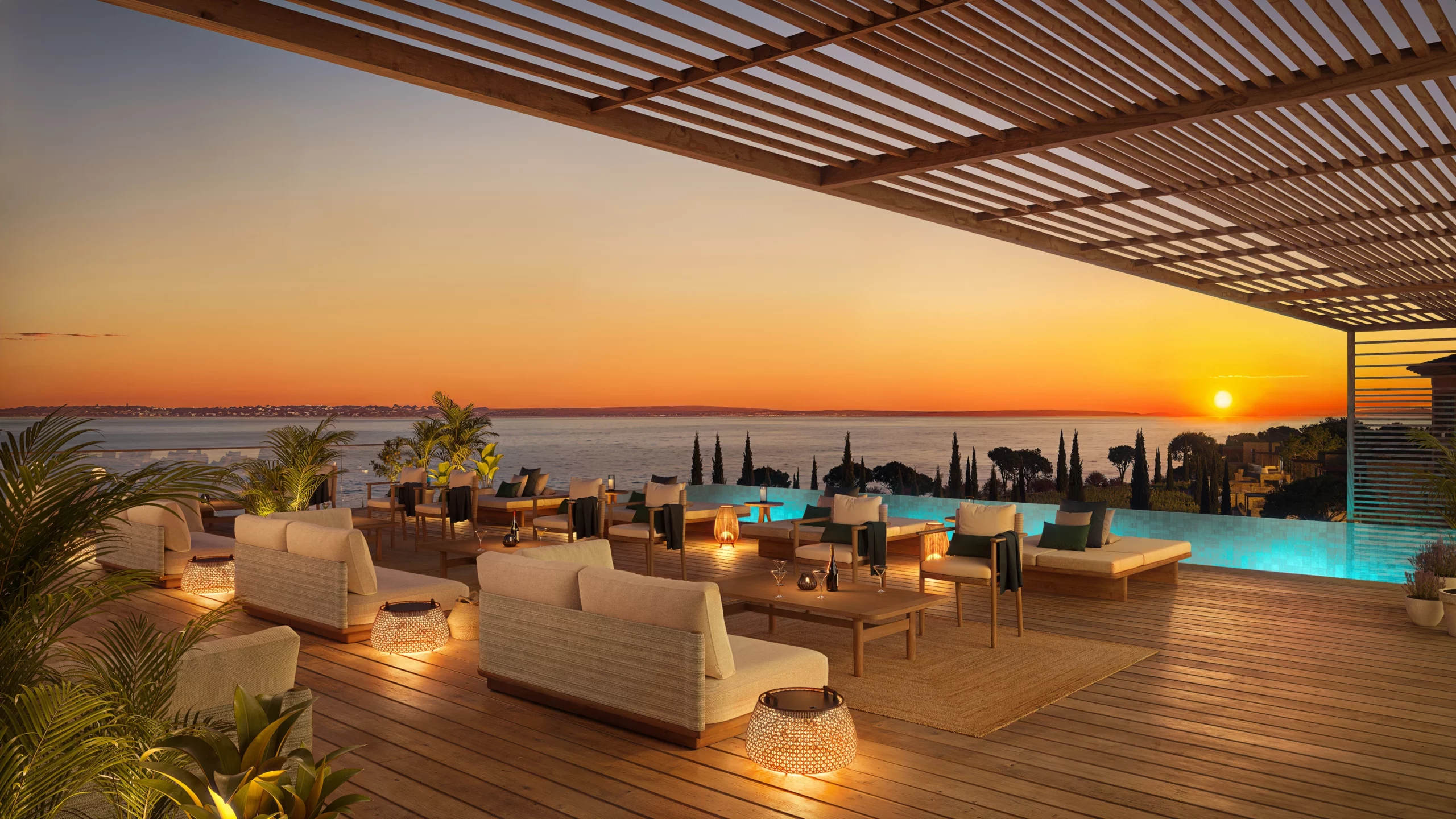
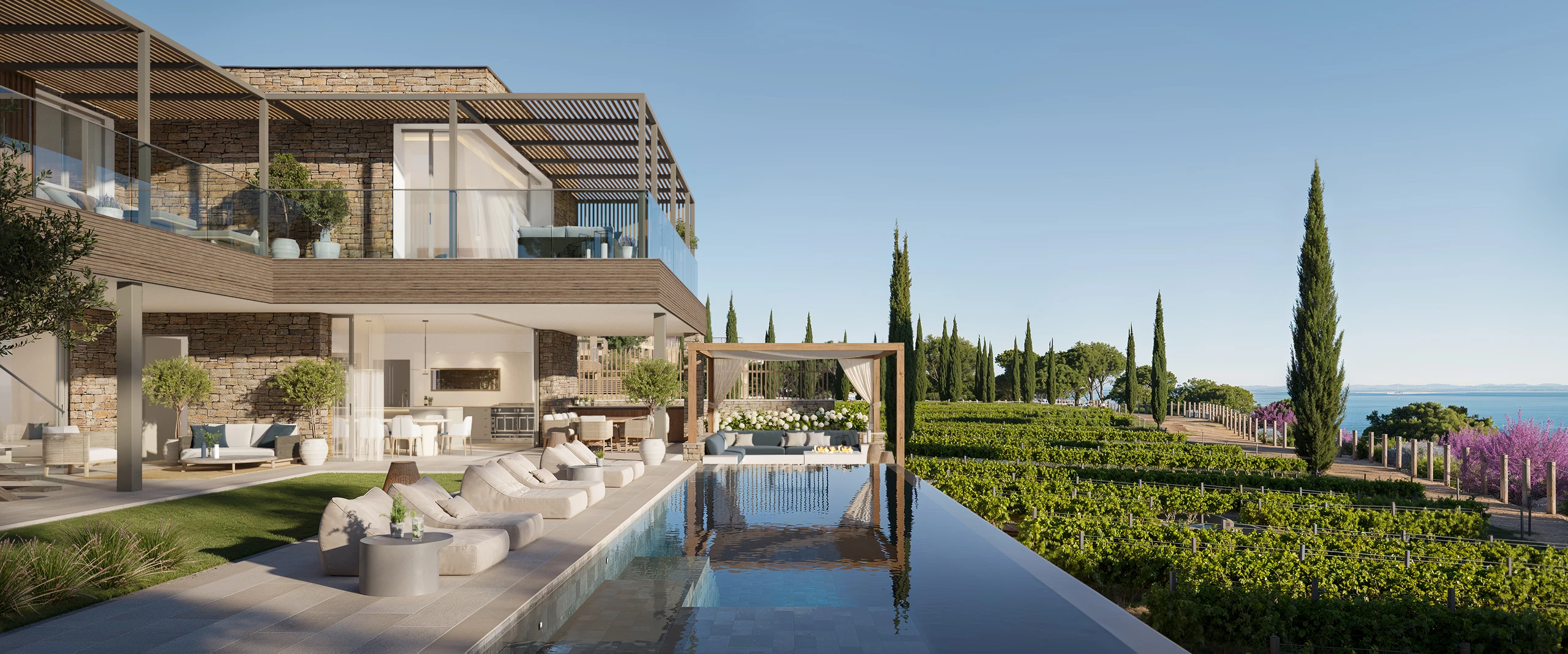
Outdoor features of the villas include a private Jacuzzi, an infinity pool, and a ground-floor barbecue area, with a stainless steel sink and an outdoor fire pit, as well as an expansive terrace and pergola on the upper floor, all with gorgeous views of the resorts working, private vineyard, and the Thau lagoon beyond.

Port Marseillian Resort & Residences will be part of a large working vineyard, managed by the Seigneurie de Peyrat wine domain, a top winemaker in the region, and will provide villa owners with access to the vineyards to participate.

Owners will have direct access to a 11-acre vineyard and Wine Academy, which includes winemaking courses and personal wine storage areas. A Nautical Club is also part of the offering.

The development overlooks the world famous oyster beds of the Thau Lagoon, home to over 700 Mediterranean species including 18 varieties of shellfish, including the popular Pink Diamond oysters, a delicacy in this region.

The Genius Loci

What is the Genius Loci?

Genius Loci is a Latin term meaning “the spirit of a place.” It refers to the unique atmosphere, identity, or soul of a location—shaped by its history, geography, architecture, and the sensory experience it evokes.

In ancient Roman culture, the Genius Loci was a protective deity of a place, believed to watch over it and its inhabitants. Today, the term is widely used in urban planning, architecture, and landscape design to emphasize the importance of preserving and enhancing a site’s distinctive qualities in any development project.

The core idea is that every place has an essence that shapes how people experience and interact with it—and that preserving this spirit is essential for maintaining its harmony and appeal.

How does P&CO understand the Genius Loci before initiating the design phase of a resort project?

Understanding a site’s Genius Loci before starting the design process is essential to ensure a harmonious and authentic integration. P&CO follows a multi-step approach:

Observation and Immersion

  • Visit the site at various times of day and under different weather conditions.
  • Observe landscape, topography, natural light, prevailing winds, and native vegetation.
  • Listen to ambient sounds (nature, local activity, silence).
  • Sense the overall mood and emotional impression the site conveys.

Historical and Cultural Study

  • Explore the site’s history: Which civilizations or events shaped it?
  • Investigate local traditions, vernacular architecture, and artisanal crafts.
  • Understand any myths or beliefs tied to the place.

Social and Economic Analysis

  • Observe local lifestyles and how people interact with their environment.
  • Understand key economic and artisanal activities in the region.
  • Meet with community stakeholders (residents, artisans, associations, historians).

Environmental and Ecological Study

  • Identify ecosystems and native species.
  • Understand resource management (water, energy, biodiversity).
  • Analyze natural risks (erosion, sea level rise, fires).

Translating Genius Loci into Design

  • Draw inspiration from local architecture while integrating innovation.
  • Use regional materials and traditional techniques to minimize environmental impact.
  • Balance built environment and nature to preserve the site’s soul.
  • Create spaces that resonate with the location’s identity and ambiance.

By incorporating these elements from the outset, a resort is not just built on a site, but with the site—ensuring a unique and authentic experience for visitors.

The Resort Design and Development Process at Propriétés & Co

P&CO’s process combines rigor and a holistic vision that integrates the Genius Loci, “glocal” architecture (global & local), sustainable innovation, and immersive guest experiences. Key stages include:

Site Analysis and Immersion

  • Site study: Identification of the Genius Loci (natural, historical, cultural, social aspects).
  • Environmental assessments: Ecosystems, water resources, climate, natural hazards.
  • Market analysis: Resort positioning based on tourism trends and demand.
  • Local immersion: Engaging with communities, artisans, and local experts for authenticity.

Architectural and Landscape Design

Masterplanning & Design

  • Define strategic axes: eco-tourism, wellness, luxury, gastronomy, slow travel.
  • Integrate buildings into the landscape with respect for views and environmental context.
  • Architecture inspired by heritage, with a contemporary and eco-responsible approach.
  • Use of local materials and low-carbon construction techniques.
  • Landscapes that foster biodiversity and regenerative agriculture.

Sensory Experience

  • Craft immersive guest journeys (contemplative spaces, wellness, gastronomy).
  • Water as a central element: natural pools, sustainable water management.
  • Spaces designed for reconnection with nature and holistic well-being.

Sustainability & Technology

The resort project is part of an exemplary sustainable development approach, fully integrating the site’s natural characteristics and contemporary climate challenges.

  • A bioclimatic design that takes advantage of natural light, cross-ventilation, and the site’s orientation to reduce energy needs.
  • The integration of renewable energies—solar, geothermal, biomass, and heat pumps—to ensure partial energy autonomy for the resort.
  • A structured landscape framework forming the basis of the project’s composition, ensuring integration, biodiversity, and aesthetic appeal.
  • A clear circulation layout that promotes soft mobility (pedestrians, bicycles) and connects to the local network.
  • Optimized access and readable entry points for visitors, minimizing nuisances and improving flow.
  • Primarily collective parking, landscape-integrated and designed to limit soil sealing.
  • A spatial distribution of the resort’s functions that prioritizes panoramic views and seamless landscape integration.
  • A gradual building height arrangement that, where possible, creates a balcony effect on the site, protects from prevailing winds, and enhances natural ventilation.
  • A master plan that respects the site’s topography and its ecological and tourism objectives.
  • Careful landscape integration within an exceptional natural setting, enhancing views, ambiance, and the connection to the sea.
  • Unique atmospheres that reflect the project’s high standards in tourism, sensory experience, and architecture.

Economic Model & Financing

Financial Strategy

  • Hybrid business model: hotel operations, branded residences, exclusive memberships.
  • Strategic partnerships with brands, investors, and local institutions.
  • Optimized legal and tax structuring for hotel and real estate investments.

Commercialization & Branding

  • Experiential marketing and storytelling centered on the Genius Loci.
  • Targeting high-end clientele seeking nature, wellness, and authenticity.
  • Digital strategy: social media, influencers, premium booking platforms.

Construction & Operations

Execution Phase

  • Quality-controlled project delivery with optimized timelines.
  • Collaboration with renowned architects and designers.
  • Creation of prototype spaces (mock-up rooms, show villas).

Operations & Guest Experience

  • Staff trained in excellence and immersive hospitality.
  • Highly personalized guest experience rooted in slow living & wellness.
  • Resort evolution based on trends and guest feedback.

At Propriétés & Co, expertise lies in the fusion of authenticity, sustainability, and experiential luxury. Each resort becomes a singular destination, capturing the essence of its location while offering a respectful, meaningful, and elevated experience for all.

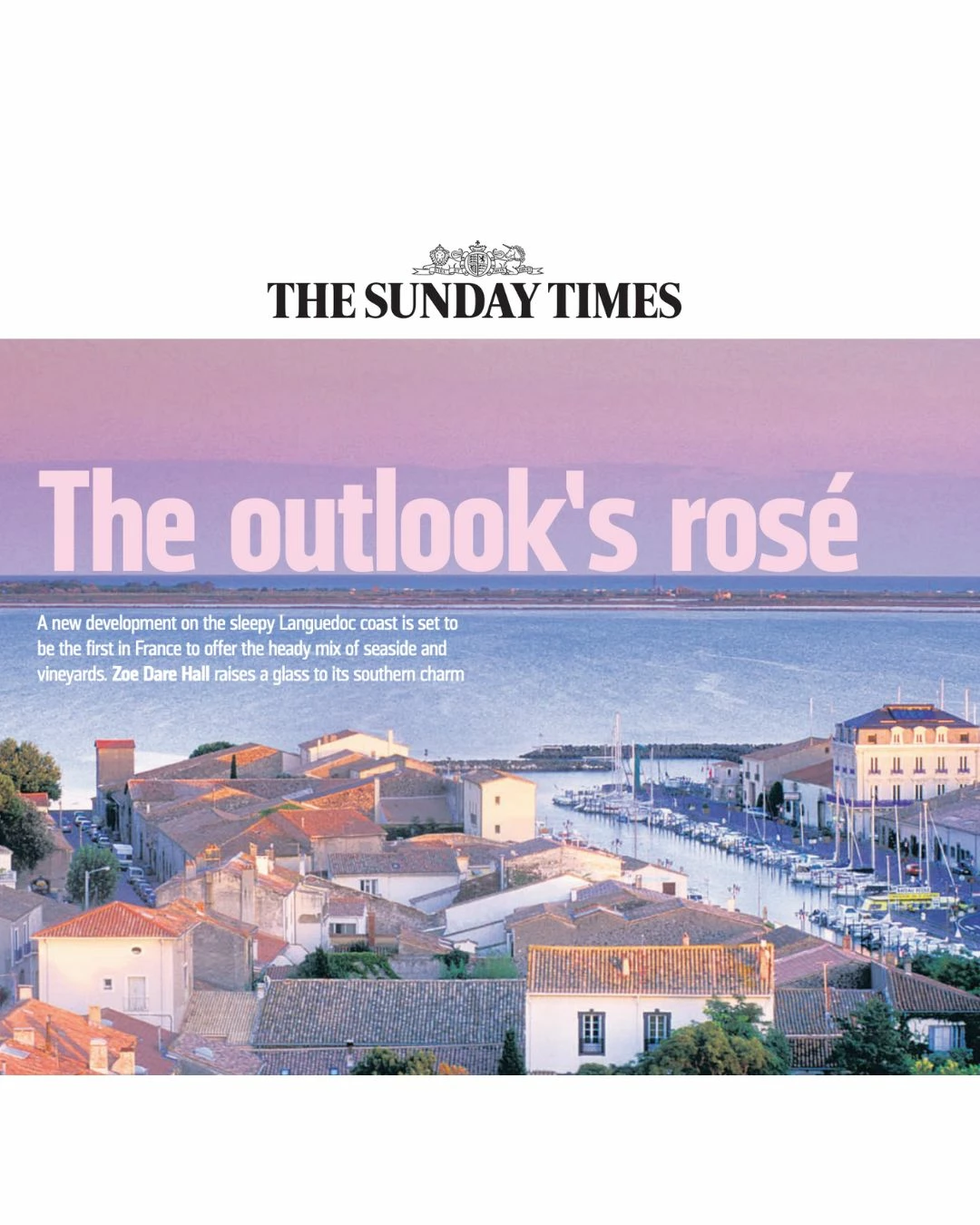
The Sunday Times – The outlook’s rosé

The harbour village of Marseillan, on the Languedoc coast, is one of those places where people really seem to know how to enjoy life. On a late winter’s day, the waterfront restaurants are thronged by locals tucking into crisp white wine and shared plates of seafood: the area is known as the oyster capital of the Med. A canoeist drifts past, and so intense is the sun that one hardy elderly man is strolling along the harbour in nothing but a skimpy pair of shorts.

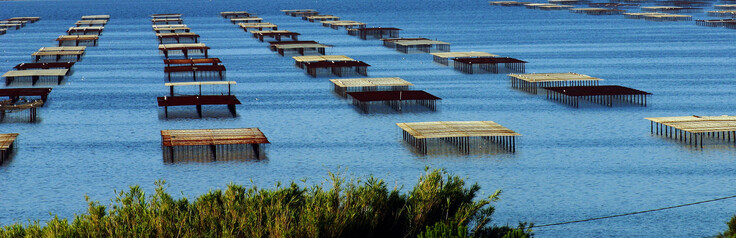
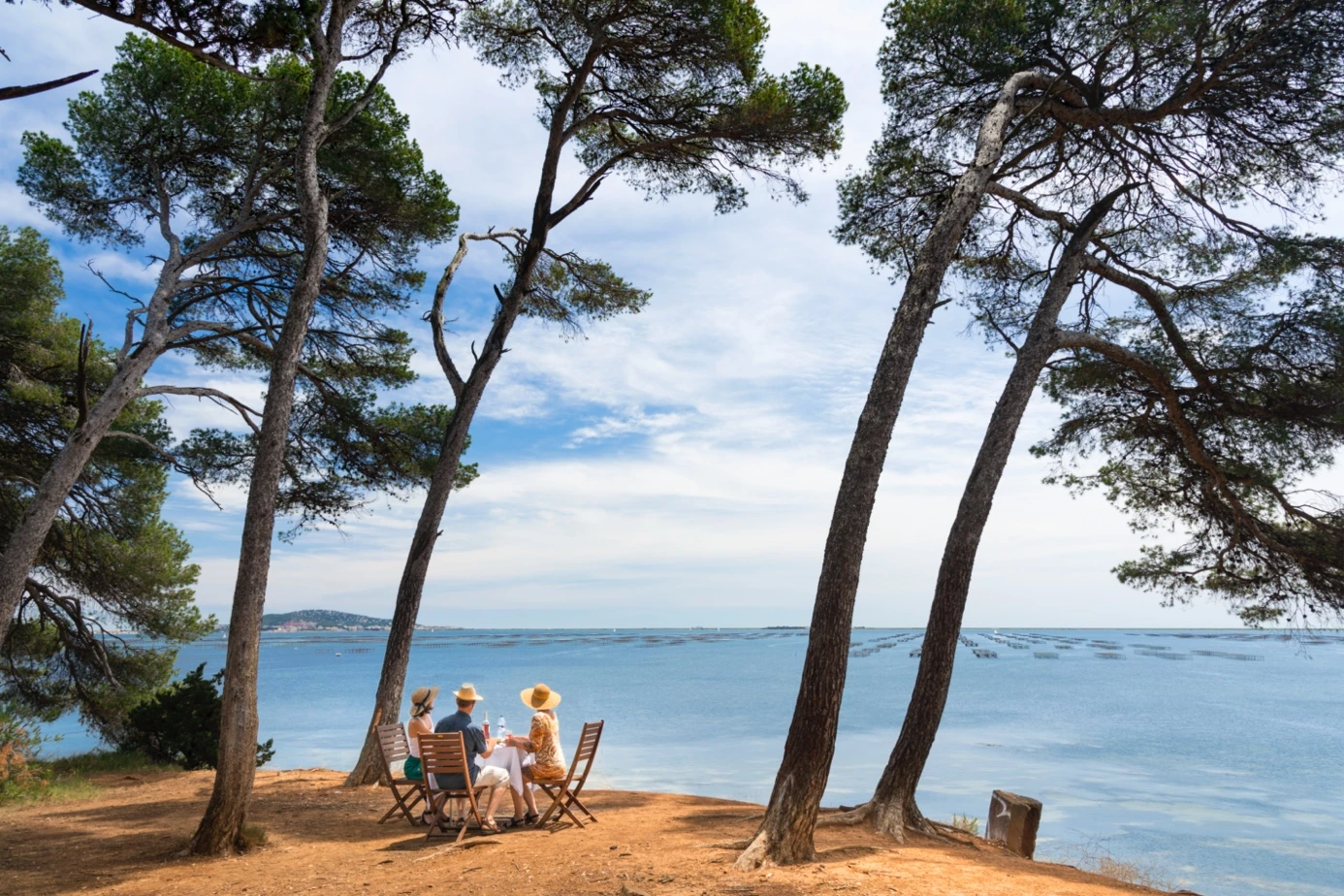
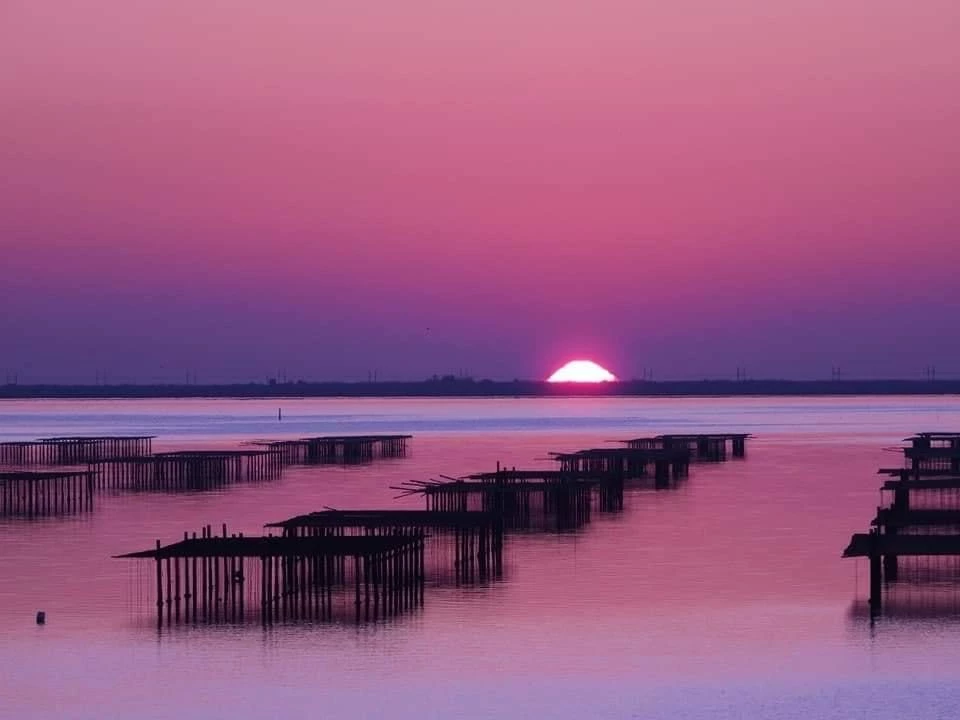
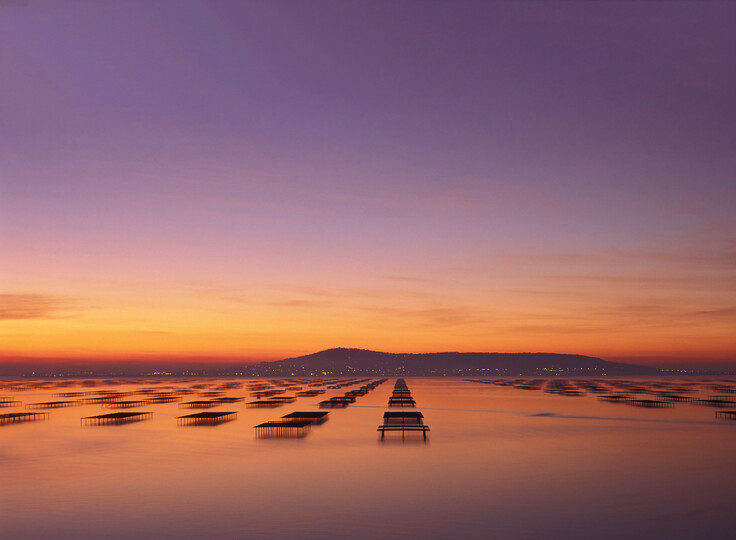
Marseillan is one of a handful of scattered villages that edge the Etang de Thau, a large saltwater lagoon that runs from Sète to Agde. Its glassy surface is dotted with hundreds of wooden oyster tables. As the sun sets over the water, the oyster farmers head back to their baraquettes — wooden shacks that dot the water’s edge — and share some of the day’s catch over a bottle of picpoul.

Some of these baraquettes — La Cabane, Le St Barth and La Ferme Marine — have become popular restaurants, raved about on TripAdvisor, but they remain simple, earthy places where you go to enjoy the fruits of the surrounding sea and vineyards.

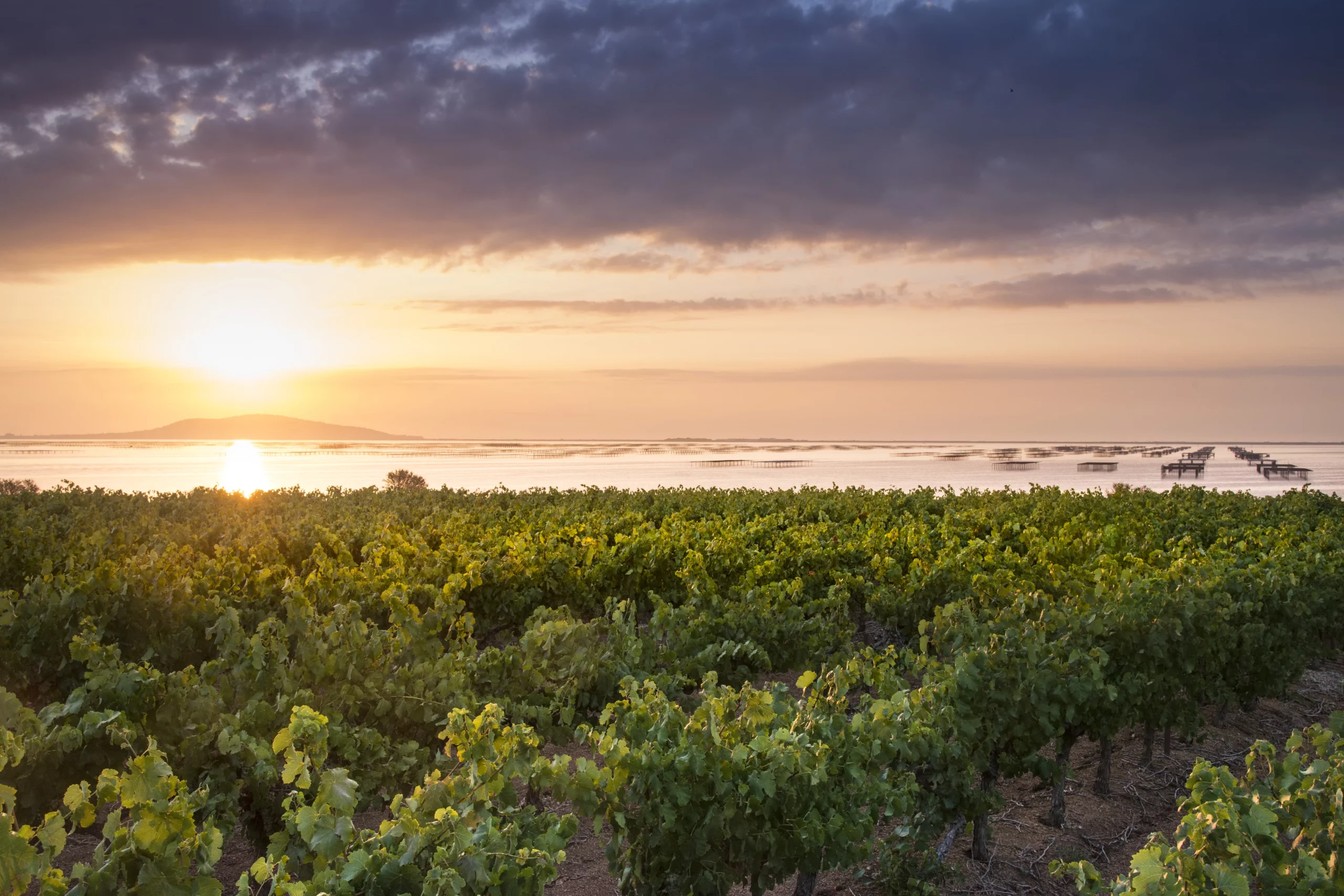
Port Marseillan Resort and Residences will be the first seafront vineyard resort in France — a winning combination for anyone who dreams of gazing at the sea from their terrace, wineglass in hand. There will also be a five-star hotel and spa on site, it should bring a new level of luxury to the Languedoc.

There will be six 300 sq metre waterfront villas with a yoga deck and a wine cellar, and a an underground “play area” (to include a home cinema and a sauna), hi-tech mod cons and an infinity pool overlooking the vines and the lagoon. Although highly contemporary in style, they are being called “modern French Mediterranean” by the project’s Barcelona-based architects, Slow Life, who drew inspiration from the sandstone walls, large shuttered windows and iron balconies of the traditional winemakers’ houses that line the village streets.

Port Marseillan’s lifestyle is available for less, with flats — at least half of them with sea views, the rest above shops, cafes and art galleries overlooking a newly built town square, Place de la Port Marseillan, a short stroll from the harbour. There are also “patio villas”, with between two and four bedrooms and a private pool.

Charles Weston Baker, head of international developments at Savills estate agency, describes it as “the best new project in France in 20 years”. That’s high praise from a man who has marketed many of the world’s most luxurious resorts. He rates it alongside the five-star Alpine village of Arc 1950 and the Provence Country Club, 90 minutes’ drive inland from Marseilles.

Weston Baker says. “It would be €8,000-€12,000 a square metre for something like this on the Côte d’Azur. A Mediterranean view is at a premium now, and this project offers great value for money.

“Since the recession, there have been few projects in France, and this is by far the best located. It’s within walking distance of a charming old town with a working harbour. There’s a real beach in front of the resort, and you have several airports within a two-hour drive. There are lovely projects here, there and everywhere, but for British buyers, you have everything you want here.”

The project’s developer is Miguel Espada, director of Propriétés & Co. He has worked on several renovation schemes in the region, including Couvent d’Hérépian, rated as one of the best boutique hotels in France, and Château de la Redorte, an 18th-century wine estate where flats start at £142,000. He has a policy of buying a property in each of his developments. “If we don’t invest, we don’t build,” he explains. “If there’s a problem with the management company, then I have the same problem as every other owner.”

Other developers in the Languedoc are also capitalising on the region’s wine heritage and historical charm. Yet these are all inland. Espada hopes that the waterfront setting will be Port Marseillan Resort and Residences’ greatest selling point. “I’ll never get another plot of land like this in my life,” he says, looking across the lagoon to the five-mile beach that separates it from the sea near the lively port of Sète.

Espada tested the water in Marseillan with two smaller projects — Port Rive Gauche, a block of flats on the waterfront, and Domaine de la Mandoune, a converted wine estate set 500yd back from the lagoon. Marseillan’s mayor is keen to push ahead with Port Marseillan Resort and Residences and has commissioned a park on a neglected area of the waterfront.

For the developer, this is about far more than building holiday homes. “I get 3,000 proposals a year for projects to take on, but we’re not just doing real estate,” he says. “We work on sensitive projects — historic buildings, seafront locations — building ties with the local town and local producers, and helping the destination market itself.”

Owners will have the chance to get involved in the local community through regular events such as talks and tastings. They can also get stuck into the wine side of things — which is the domain of Miguel’s wife, Cécile. She runs the Seigneurie de Peyrat vineyards, which have been in her family for generations, and will take charge of Port Marseillan Resort and Residences’ vineyard, producing white, rosé and sparkling wine and presenting each owner with two cases of the estate’s vintages each year.

According to Espada, a golden triangle is emerging for French second-homers (as well as the odd billionaire Russian and a sizeable number of Scandinavians). It covers the area between Marseillan, Bouzigues — another serene lagoon-side village — and postcard-pretty Pézenas, a market town with pastel-coloured buildings, a proliferation of art galleries and a Saturday market that takes over the streets of its ancient centre. “Chief executives, artists and some famous names have holiday homes here,” he says. “The area offers everything you want from the Med.”

Despite the Languedoc’s popularity — about 15m people visited the region last year, and it’s often voted the area that the French would most like to retire to — the developer admits that it lacks tourist infrastructure. “There’s little in the way of tourist facilities, and banks don’t consider resorts such as Port Marseillan Resort and Residences an asset class worth lending on,” says Espada, who self-finances his projects. He built his first development, Domaine des Pins, with the money he made from the sale of Photoways (now merged with PhotoBox), the online printing company that he co-founded in 2000.

This is a region rooted in tradition and a love of what comes from the land. Port Marseillan Resort and Residences may cause a splash thanks to its multimillion-pound villas and five-star hotel. But its popularity will lie in offering buyers a chance to lap up the simple pleasures — sunshine, wine, sea — that the Languedoc does best.

Previously published in The Sunday Times

Second Home in France: A Promising Market for Foreign buyers

France, a worldwide attraction for second homes

With an impressive 3.6 million second homes, France solidifies its position as one of the world’s most dynamic real estate markets. As the world’s leading tourist destination, France attracts millions of international visitors every year, drawn by its unparalleled cultural heritage, diverse landscapes, and enviable quality of life. This enduring appeal has spurred an increasing trend of foreigners purchasing second homes across the country.

These buyers hail from all corners of the globe—Britain, Scandinavia, the United States, Asia, and the Middle East—and display diverse preferences. Some invest in iconic properties, such as castles or beachfront villas, while others opt for more modest yet equally well-located residences. New air travel routes have further fueled this growth by improving accessibility to many regions, thus enhancing France’s allure as a second-home destination.

Opportunities Await Developers

Despite the burgeoning interest from foreign investors, French developers have yet to fully capitalize on this growing demand. Here are some strategies for developers to seize the opportunity:

  • Tailored Real Estate Projects : Luxury amenities like customizable layouts, premium services (e.g., concierge or 24/7 security), and eco-friendly infrastructures are key to attracting international buyers.
  • Global Marketing and Visibility : Increasing presence on international platforms, partnering with cross-border real estate agencies, and showcasing offerings at global property fairs, such as MIPIM, can unlock new market segments.
  • Simplified Administrative Processes : Offering services like bilingual contracts, expert guidance on French property laws, and streamlined tax advisory services can build trust and confidence among international clients.
  • Emphasizing French Heritage : Properties tied to France’s cultural identity, such as châteaus or traditional Provençal homes, hold strong appeal. Developers should prioritize incorporating these unique attributes into their projects.

The Rise of Branded Residences

A promising yet underdeveloped niche in the French market is branded residences—homes associated with high-end brands or luxury hotel groups. These properties blend residential comfort with five-star services, offering distinct advantages:

  • Premium Services : Concierge, rental management, spa facilities, and 24-hour security.
  • Ease of Ownership : Simplified management options cater to absentee owners.
  • Strong Investment Value : Properties tied to renowned global brands maintain high resale value.

While branded residences thrive in markets like the U.S. and UAE, France lags in leveraging this trend. Notable projects, such as Port Marseillan in southern France and les Bordes (Orléans), are starting to address this gap. Industry leaders like Propriétés & Co, are driving innovation in this sector.

Who are the Owners of Secondary Residences in France?

The profiles of owners of secondary residences in France are diverse. Foreign buyers often favor iconic destinations such as the Côte d’AzurProvenceOccitanie, and Paris, drawn by the unique blend of culture, history, and lifestyle. On the other hand, French buyers typically seek properties in coastal or mountainous areas, like Brittany or the Alps, for their natural beauty and proximity.

Interestingly, a reverse trend has emerged in recent years: more French nationals are investing in foreign real estate. Popular destinations include Portugal, Spain, and Greece, where competitive property prices and sunny climates are major draws.

Opportunities for Real Estate Developers

Although demand from international buyers for secondary residences in France remains strong, the market is still underutilized. To fully leverage this potential, real estate developers need to cater to the international clientele by:

  • Offering Personalized Services: 
Developers could enhance their appeal by providing tailored services like bilingual contracts, fiscal guidance, and comprehensive support for navigating administrative complexities.
  • Highlighting Innovative Solutions: 
One promising area is branded residences, which are high-end properties managed by prestigious hotel groups. These developments, often featuring top-tier amenities like concierge services, spas, and property management, appeal strongly to foreign investors seeking hassle-free ownership.
  • Forming Global Partnerships: 
Collaborations with hotel brands – such as Marriott InternationalAccorIHGHyattFour SeasonsMandarin OrientalAman ResortsOne & Only ResortsGarrigae Resorts… – can enhance the prestige and marketability of these properties. By aligning with such brands, developers can ensure high resale values and attract affluent clientele.

Branded residences, which have already gained significant traction in regions like the United States and the Middle East, are emerging as a valuable niche in France. They offer a blend of luxury and convenience, particularly attractive to foreign buyers who might not reside in France full-time.

In summary, secondary residences are not just a cornerstone of France’s tourism sector but also a significant opportunity for innovation in the real estate market. By modernizing their strategies and focusing on premium offerings like branded residences, developers can tap into the growing demand and elevate France’s status as a premier destination for property investment.

Arthur Espada of Slowlife Resorts highlights the urgency: “Following the success of the 2024 Olympics, there’s been a global surge in demand for branded residences, growing 12% annually. Yet, France still lacks sufficient inventory to meet this burgeoning demand, especially for luxury properties managed by top-tier hotel operators.”

The Way Forward

France boasts unrivaled strengths for attracting foreign second-home buyers: diverse landscapes, an unparalleled cultural heritage, and world-class gastronomy. However, the market remains ripe for innovation and expansion. By embracing solutions like branded residences and internationalizing their outreach, French property developers can unlock the full potential of this promising market.

This evolution not only bolsters tourism but also enhances France’s global prestige as a luxury real estate destination. With its exceptional heritage and unmatched quality of life, France is poised to become a global leader in second-home investments.

When Architecture Meets Wine

Here are three prestigious tourist projects that illustrate this perfect symbiosis: Hotel Marqués de Riscal in Spain, Château La Coste in Provence, and Port Marseillan on the banks of the Thau lagoon in the South of France.

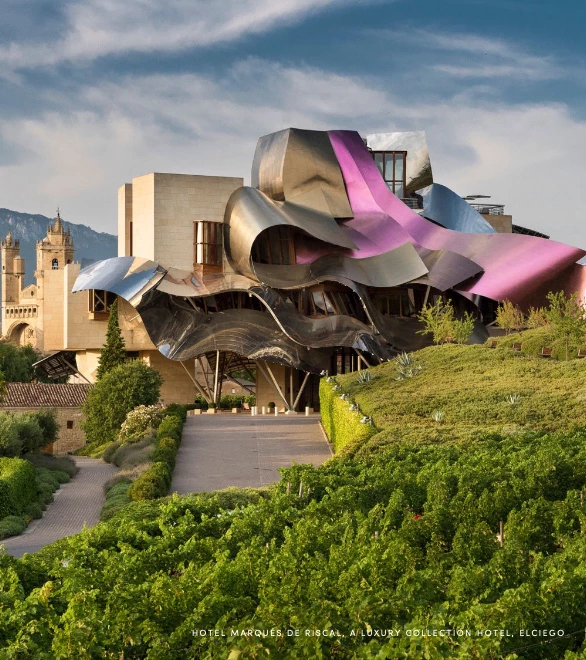
  • Hotel Marqués de Riscal : he harmony between architecture and wine thanks to two masters of architecture and design, Frank O. Gehry and Lázaro Rosa Violán, as well as the Marriott group, hotel operator under the brand The Luxury Collection. Located in the heart of the famous wine region of La Rioja, Hotel Marqués de Riscal is a masterpiece of modern architecture.
  • Château La Coste : The perfect balance between art, architecture, and wine through a sensory journey, pronounced artistic integration, and unusual design by Frank O. Gehry for the Music Pavilion, Tadao Ando for the Visitor Center, and Jean Nouvel for the winery.
  • Port Marseillan : Architecture, wine, biodiversity, and a paradisiacal lagoon all crowned through the visions of Joan Balagué, Mar Reventos, and Lázaro Rosa Violán. Here is an enchanting trio, subtly and discreetly nestled in the most prestigious and elegant setting of Occitanie, the secret Mediterranean.

Learn more

A Wavy Fusion between Architecture and Wine: The Spanish Hotel Marqués de Riscal by Frank O. Gehry and Lazaro Rosa Violan

This superb 21st-century castle, designed by internationally renowned architect Frank O. Gehry, is a true masterpiece. Located in the wine town of Marqués de Riscal, in the heart of the La Rioja vineyard, this 5-star hotel is a true sensory adventure. Prepare to enjoy a unique experience with all your senses.

A Sensory Experience

Savor local cuisine and fine wines at 1860 Tradicion or the Marqués de Riscal restaurant, both supervised by starred chef Francis Paniego. Soak up the benefits of grapes at the Vinothérapie SPA Caudalie Marqués de Riscal. Welcome to the only hotel created by Frank O. Gehry, where each of the 61 unique rooms and suites promises to enchant your experience with exceptional design touches and views of the countryside, the medieval town of Elciego, and more than anything, striking architecture! Staying at the Marqués de Riscal hotel is to immerse yourself in a world where architecture and wine meet to offer an incomparable experience as powerful as a Madiran. This visionary and inspiring place, the result of the two geniuses – Frank Gehry and Lázaro Rosa Violán – invites visitors to explore a new dimension of oenology, where every detail is designed to amaze. Whether enjoying refined dishes, relaxing in a unique spa, or admiring the surrounding landscape from an elegantly decorated room, every moment spent at the Marqués de Riscal hotel promises to be memorable and enriching.

Frank Gehry and the Art of Merging Architecture and Wine Terroir

This architect is known and recognized for his bold and innovative designs that redefine the architectural landscape, such as the Guggenheim Museum in Bilbao. His unique approach has found particular expression in the world of wine, where architecture meets oenology to create both functional and aesthetically remarkable spaces. One of the most famous examples of the meeting between Frank Gehry’s architecture and the wine world is certainly this magical place. This iconic hotel was inaugurated in 2006. Gehry designed a hotel and winery complex with fluid shapes and bold materials like titanium and stainless steel. The eccentric curves and vibrant colors of the building – reflecting the colors of red wine, champagne, and gold – harmonize with the surrounding landscape while reflecting the elegance and complexity of the wines produced on-site.

Lazaro Rosa Violan, meilleur architecte d’intérieur d’Europe

A trained painter, inveterate traveler, and talented interior architect, he draws his inspiration from around the world. His eclectic style has again allowed him – at Marqués de Riscal – to marry and reinterpret past and present trends. In 2002, he built a portfolio of prestigious clients and gained undeniable media visibility. With more than 200 projects completed around the globe, we can mention, among others, the Amazonico et ZumaLa Paloma in Ibiza, Can Vent in Formentera, Soho House in Barcelona, St Regis in Mallorca, SHA Wellness Clinic in Alicante, Raffles in Warsaw, Maison Delano in Miami, Fairmont in Seattle, Six Senses in Lisbon and Andalousia, W in Cairo, Edition in Barcelona, Ritz Carlton in Sevilla, Rosewood in Abu Dhabi, Four Seasons in Mallorca, Shangri-La in Hong Kong, as well as the first Louis Vuitton Hotel in Paris. For the fifth consecutive year, Lázaro is among the 100 best interior architects in the world according to Architectural Digest Collectors.

“The Luxury Collection”: Experiential Luxury vs. Traditional Luxury

The Marqués de Riscal hotel is managed by the Marriott hotel group under the “The Luxury Collection” brand. It is one of the most prestigious and renowned luxury hotel portfolios in the world. Its members benefit from greater visibility than independent hotels, especially worldwide through the Marriott Bonvoy loyalty program. The brand attributes favor local relevance and excellence in luxury products and services, without focusing strictly on compliance. Some travel to break away from routine or to reward themselves for hard work. Others seek a deeper and more immersive experience, thus becoming travelers and explorers. They set out to discover new cultures, connect with different people, explore other worlds, and let themselves be transformed by these experiences. The unique and indigenous properties of The Luxury Collection awaken curiosity and encourage off-the-beaten-path exploration. Luxury consumers are increasingly drawn to transformative experiences. Luxury travel is now defined by the experience of time, space, authenticity, community, and individuality. The demand for connection with people and culture, as well as the desire for authentic and unique accommodations, continues to grow. Each hotel signed The Luxury Collection tells a unique story, that of its distinctive destination, its exquisite local charm, its local culture, and here, a vineyard, naturally.

Château La Coste: The Perfect Harmony of Art, Architecture, and Wine in Provence

Château La Coste, located in Provence, is much more than a simple winery. It is a place where art, architecture, and wine come together to offer a truly immersive experience. This 200-hectare estate houses a collection of contemporary art and architectural structures designed by renowned artists and architects.

Discover an Art and Architecture Trail

Dive into a unique sensory adventure in the heart of the hills and vineyards of Château La Coste. Located a few minutes from Aix-en-Provence, this winery invites you to discover more than 40 contemporary art pieces during a 2 to 3-hour walk. The artistic installations, scattered on the vineyard’s slopes, offer an immersive experience where art meets nature, making it a true celebration of the integration of art into a natural landscape. True to the custom philosophy that drives the vineyard, each invited artist creates a piece specially designed to harmoniously integrate into the estate. Today, the Château La Coste collection includes more than forty works, ranging from monumental sculptures to architectural installations. This walk is much more than a simple visit: it is a meditative pause that questions our relationship with nature and our environment.

A Perfect Alliance between Tradition and Modernity

Château La Coste is an exceptional example of how contemporary architecture, wine, and art can harmonize to create a unique and immersive destination. In 2004, Paddy McKillen, the estate’s owner, initiated an ambitious project to transform this space into a place where wine, art, and architecture meet. This visionary project invited world-renowned architects and artists to offer visitors a rich and multifaceted experience:

  • Tadao Ando : The Japanese architect designed the estate’s art and winemaking center. With his clean lines and minimalist approach, Ando created a serene space that enhances the surrounding landscape while offering an ideal setting for wine tasting.
  • Jean Nouvel : The French architect created a spectacular winery, integrating modern winemaking technologies into a contemporary and functional design.
  • Frank Gehry : Known for his bold sculptural forms, Gehry designed a pavilion that serves both as a focal point and a contemplative space, harmoniously integrating into the estate’s natural setting.

Château La Coste houses an impressive collection of contemporary art, scattered throughout its vineyards. Visitors can discover sculptures and installations created by renowned artists such as Louise Bourgeois, Alexander Calder, Tracey Emin, and Richard Serra.

A High-Quality Oenological Experience

At the heart of Château La Coste’s experience, wine remains a priority. The estate’s organic vineyards produce high-quality wines that are environmentally friendly. Visitors can taste a wide range of wines, from robust reds to delicate rosés, while enjoying guided tours of the winemaking facilities and cellars. Every aspect of the estate, from the buildings to the artworks and wines, is designed to inspire and delight visitors. This harmonious integration of disciplines makes Château La Coste an essential place for wine, art, and architecture lovers.

Port Marseillan: The Perfect Alliance of Architecture, Wine, and the Sea in Occitanie, through the Inspiring Visions of Joan Balagué, Mar Reventos, and Lazaro Rosa Violan

The sophistication of an architecture fully integrated into its environment, combined with coastal charm, has given birth to Europe’s first waterfront wine resort. It is also through the love of stone and wine that Port Marseillan stands out from all other real estate projects. It indeed offers residences with panoramic views and exceptional comfort, all nestled in an enchanting natural setting. Discover how the expertise of Joan Balagué, Mar Reventos, and Lázaro Rosa Violán have sublimated this place of life, subtly combining architecture, wine, and nature.

An Environmentally Friendly and Sustainable Approach

The emphasis on preserving biodiversity and the natural environment distinguishes this luxury real estate project. The architectural design focuses on harmonious integration with the surrounding landscape, respecting the environment and local traditions. It is a great success in terms of ecology and aesthetics. Visitors and residents alike can enjoy breathtaking panoramic views while immersing themselves in the surrounding natural beauty.

The Architectural Vision of Joan Balagué and Mar Reventos

Joan Balagué, an architect renowned for his passion for innovation and precision, and Mar Reventos, an exceptional visionary, have both contributed to the realization of this unique real estate project. Their complementary approach combines modernity and tradition to create an architecture that blends perfectly into its natural environment. Joan Balagué brings his expertise in contemporary design and environmental integration, while Mar Reventos focuses on authenticity and respect for local heritage. Together, they have created an exceptional and sustainable living space, offering residents a privileged lifestyle. Their commitment to excellence and sustainability is reflected in every detail of this project, from the materials used to the interior design.

Lazaro Rosa Violan, the Essential Touch of Interior Design

Recognized as one of the best interior designers, Lázaro Rosa Violán has again been able to reinterpret past and present trends to create a unique and refined atmosphere. His eclectic style, which draws inspiration from around the world, adds an essential touch of elegance and sophistication to Port Marseillan. Each space is meticulously designed to offer a warm and welcoming atmosphere while highlighting the architectural beauty of the place. With more than 200 projects completed worldwide, his expertise and talent have allowed Port Marseillan to stand out as a reference in terms of luxury real estate. Residents can enjoy tastefully decorated interiors, where every detail has been thought out to provide maximum comfort and aesthetics.

Wine and Gastronomic Experiences

Residents and visitors of Port Marseillan can enjoy a variety of wine-related activities. The resort offers a Wine Academy where guests can take tasting courses and learn about oenology. Private tastings and vineyard tours are also organized, providing a complete immersion in the local wine culture. The resort’s cuisine showcases regional products, offering dishes that celebrate Mediterranean flavors.

A Lifestyle Focused on Well-being

Living at Port Marseillan means benefiting from a lifestyle focused on well-being and harmony with nature. Residents can take advantage of various activities offered by the estate, such as wine tastings, boat trips on the Thau lagoon, or simply relaxing in the lush gardens. Every aspect of life at Port Marseillan is designed to offer a unique and enriching experience, where architecture, wine, and nature blend harmoniously. Whether enjoying panoramic views, savoring a glass of local wine, or exploring the surrounding natural beauty, every moment spent at Port Marseillan promises to be memorable and inspiring. This exceptional place offers an unparalleled living environment, where the art of living and the passion for wine are celebrated every day.

These three examples perfectly illustrate how architecture and wine can come together to create unforgettable experiences. Whether through the architectural boldness of Hotel Marqués de Riscal, the artistic harmony of Château La Coste, or the harmonious integration with the Mediterranean nature of Port Marseillan, each project demonstrates the powerful impact this fusion can have on wine tourism. These destinations are not just places to stay but works of art in their own right, offering visitors a unique experience where every detail is designed to awaken the senses and enrich the spirit.

Frédéric Privat interview

Who is Frederic Privat – what projects have you worked on before joining P & Co. ?

I have a background as a construction engineer and have gained valuable experience in various sectors during 25 years.

Initially, I worked for a renowned construction company called GTM-VINCI, where I focused on service buildings such as EHPADs, schools, and wastewater treatment plants.

Following that, I transitioned to an architect agency named Brunerie et Irissou. In this role, I took the lead on major construction sites, including factories for notable companies like Airbus and Pierre Fabre Laboratories, as well as various shopping centers affiliated with the “Leclerc” brand.

Continuing my career progression, I then joined the ELANCIA Group where I had the opportunity to contribute to the construction of the prestigious “Polygone Riviera” near Nice. Additionally, I took on a leadership role in the renovation of the Polygone de Montpellier. These experiences have accustomed me to working on significant projects that involve complex technical and architectural challenges.

Overall, my professional background has equipped me with the necessary skills and expertise to excel in managing large-scale projects. I thrive in environments where I can apply my knowledge to overcome obstacles and deliver exceptional results while maintaining a strong focus on technical precision and architectural excellence.

Port Marseillan is your first collaboration with Propriétés & Co, could you describe what attracted you to this project and what the “Privat Touch” will bring to it ?

It has been 2 years since I joined the Propriétés & Co team as the Director of Construction, a group that has delivered since 2003 magnificent real estate projects described on our website. With a three-generation experience in construction works, Miguel Espada’s family is also involved in the renovation of major historical buildings such as abbeys, convents, and castles in the South of France.

What makes the Port Marseillan project truly captivating is the combination of its breathtaking location amidst the remarkable natural surroundings of the “Bassin de Thau” and its innovative approach to tourism, which is relatively uncommon in France. As a construction engineer, my belief is that my involvement in the project should be subtle and not overtly visible. The aim is to honor and preserve the architect’s vision, fulfill the investor’s expectations, and ensure that the technical solutions employed maintain a reasonable building cost, while facilitating easy, reliable, and efficient maintenance and operation.

The “Privat Touch” that I bring to the project lies in my commitment to meticulous planning, thorough analysis, and the implementation of sound engineering principles. By leveraging my expertise and experience, I strive to contribute to the project’s success by finding practical and sustainable solutions that align with the project’s overall vision. My focus is on seamlessly integrating the technical aspects with the architectural design, ensuring a harmonious balance between functionality and aesthetics.

Ultimately, the goal is to create a remarkable destination that not only captivates visitors with its natural beauty but also offers a seamless and enjoyable experience for guests. By embracing the project’s unique concept and upholding the highest standards of construction and engineering, we aim to deliver a result that exceeds expectations while preserving the integrity of the architect’s vision and meeting the demands of the investors.

Port Marseillan is a branded residence. What is your involvement with the brand linked to the project ?

The concept of a Branded Residence is relatively new to me as it is one of the first projects in France in the luxury segment. Nevertheless Propriétés & Co has a strong track record in this industry, delivering luxury and well-built estates, hotels or residences. I am truly excited about the opportunity to work with Marriott International, which is simply the world’s leading hotel group with nearly 8,500 hotels and 31 brands and also in the field of Branded Residences.

Our primary goal is to honor the brand’s requirements while seamlessly integrating them into the distinctive atmosphere and spirit we aim to cultivate at Port Marseillan. Our own concept is equally compelling and captivating, centered around elements such as vineyards, a Wine Academy, and an ambiance that reflects the enchanting French seaside lifestyle.

By combining the strengths and attributes of both the brand and our the project’s vision, we aspire to create a truly exceptional and unparalleled destination. The collaboration between these two entities will result in the development of a place that is truly unique, where the brand’s essence harmoniously blends with the captivating allure of Marseillan.

Throughout this process, our commitment lies in striking the perfect balance between respecting the brand’s identity and infusing the project with the distinct character that will make it a standout destination. We understand the importance of creating an atmosphere that is both authentic to the brand and evocative of the enchanting coastal lifestyle, ensuring that guests and residents feel a deep sense of connection and appreciation for the place they call home.

I am thrilled to be part of this collaboration, and I am confident that together, we will create an extraordinary and unforgettable experience for all who visit and reside in our remarkable Port Marseillan project.

This project is having a lot of local support (State, local Town Council) so all eyes are on it. Could you let us know more about the sustainability of the project ?

The project adheres to the established French regulations regarding sustainability, which are meticulously monitored and controlled. From its inception, the project was designed with these standards in mind, ensuring compliance throughout its development.

One of the significant challenges I anticipate is addressing the pressing ecological issue of water scarcity, particularly relevant in the southern regions of Europe. To tackle this challenge, we have implemented various strategies and considerations, with a particular focus on water conservation and management.

For instance, the project places a strong emphasis on incorporating extensive green areas, encompassing ambitious landscaping and gardens. These green spaces will be thoughtfully designed using a selection of plants that are naturally adapted to the dry Mediterranean climate. By carefully choosing drought-tolerant plant species, we aim to minimize watering needs and reduce water consumption.

Furthermore, the project accounts for strict regulations governing the management of rainwater. The authorities closely monitor the flow and quality of rainwater that can be discharged into the fragile and ecologically rich “Bassin de Thau.” To ensure the protection of this sensitive ecosystem, the project incorporates substantial, yet discreet, infrastructure to effectively control the flow and quality of rainwater before it reaches the “Bassin de Thau.”

By integrating these measures and adopting a comprehensive approach to sustainable water management, we aim to mitigate the environmental impact of the project while preserving the delicate balance of the local ecosystem. Our commitment to responsible water usage aligns with the project’s broader sustainability goals and contributes to the overall ecological integrity of the development.

Works are due to resume anytime soon. A date in mind ? Estimated completion date ?

We have scheduled some minor construction activities to take place in the villas area during the summer months. These works will serve as a precursor to the larger-scale villa construction, which is set to commence in the fall. While we are making progress in these areas, the main project requires additional preparation before we can resume work. Our goal is to resume the main construction phase before the end of this year.

Considering the scale and complexity of the project, we anticipate that the overall construction timeline will extend until the end of 2025. This timeline allows us to ensure that every aspect of the project is meticulously executed, meeting the highest standards of quality and craftsmanship. We are committed to delivering a truly exceptional development that exceeds expectations.

As we move forward, we will keep you updated on the progress and milestones achieved. Should you have any questions or require further information, please feel free to reach out. We greatly appreciate your support and understanding throughout this exciting endeavor.

Which elements of the development are you most proud of?

As a construction engineer, my role in the project is not about seeking visible recognition or personal glory. Instead, my focus lies in ensuring the seamless and efficient execution of the project, while meeting the expectations of both the architect and the investors. While the conception phase may not yield a grand accomplishment to boast about, it is in the meticulous attention to detail throughout the entire process—from the initial planning stages to the final delivery—that I find true fulfillment.

My satisfaction stems from the knowledge that I have played a vital role in creating an exceptional experience for the people who will ultimately enjoy their holidays in Marseillan. It is when guests and residents have no awareness of the intricate technical solutions that have been incorporated to make their stay as flawless as possible that I feel a sense of pride. The ultimate measure of success for me is the seamless integration of engineering solutions into the project, resulting in an environment that surpasses their expectations without drawing attention to the technical complexities behind the scenes.

While the visible elements of the project may capture the attention and admiration of onlookers, it is the invisible harmony of technical expertise and meticulous execution that truly enhances the overall experience. The satisfaction lies in knowing that every aspect has been thoughtfully considered, allowing the guests to immerse themselves in the beauty and tranquility of Marseillan without any disruptions or inconveniences.

At the end of the journey, I will take great pride in knowing that my contribution, though not explicitly visible, has played a significant role in creating an exceptional and unforgettable experience for all who visit and reside in the project.

If you were choosing a villa or apartment for yourself, which one would you reserve?

I have a deep appreciation for the penthouses located under the roofs of the buildings with large terraces. Choosing among them is indeed a challenging task, as each one offers unique and breathtaking views. Every apartment holds the potential to become an exceptional living space, enriched by its own distinct vantage point.

From these elevated positions, residents will have the privilege of witnessing the beauty that surrounds them from various perspectives. Whether it be panoramic vistas of the mesmerizing coastline, charming streets dotted with historic architecture, or picturesque landscapes stretching as far as the eye can see, each view promises to be extraordinary in its own right.

I am captivated by the thought of the unforgettable moments that future residents will experience in these remarkable abodes. Each apartment holds the promise of becoming a sanctuary, a place where one can retreat and immerse themselves in the enchanting ambiance of Marseillan.

While it may be difficult to choose a specific apartment due to the abundance of remarkable options, rest assured that regardless of the decision, residents will find themselves in a truly exceptional and cherished space.

A Paradisiacal and confidential Place to Live Between the French Riviera and Barcelona

The Thau Lagoon is the largest of a series of saltwater lagoons stretching along the French coast, from the Rhône to the Spanish border. At the heart of this confidential Mediterranean setting, the picturesque villages lining the shores of the Thau Basin captivate our emotions with their authenticity and timeless charm. Among them, Marseillan stands out as a true gem where time seems suspended, offering its residents rare and precious tranquility.

In Marseillan, narrow streets and shaded squares invite leisurely strolls, while café terraces offer moments of conviviality and warm exchanges. Here, the bond between the inhabitants is unbreakable, creating a true community where life is good.

Learn more

An International Destination for the Privilege of Local Living

The Thau Basin, more than just a stretch of water, has become a popular destination for nature lovers and epicureans from around the world. Whether to live part of the year in a secondary residence or to establish a primary nest, this Mediterranean Eden offers an idyllic living environment where tranquility and natural beauty harmoniously blend. Not far from Marseillan, the highly publicized city of Sète is crossed by canals forming a circuit to explore by boat. Its movable bridges are an unforgettable attraction, as is the picturesque Pointe Courte district, bordered by small fishermen’s huts.

At a time when stress and agitation invade our lives, the Thau Lagoon appears as a refuge where the very essence of well-being and simplicity is found. Escaping to Marseillan or one of the surrounding villages means reconnecting with the essentials, far from the hustle and bustle of urban life, to find inner peace and lost serenity.

Port Marseillan: Europe’s First Waterfront Wineyard Resort

Port-Marseillan is indeed the first waterfront winery resort in Europe, with the privilege of slightly overlooking the lagoon for an even more enchanting view. Combining the architectural sophistication of clean lines with the authentic and protected coastal charm, this luxury resort offers an opening onto the private vineyards of this little paradise. Imagine waking up. You are still a bit sleepy, comfortably seated in front of a large bay window. Your gaze first falls on the resort’s vineyards before diving into the lagoon, still enveloped in orange hues that transform the present moment, so fleeting and elusive, into a frozen and tamed watercolor.

Here, French chic is the sweetest shock one can imagine. This daily spectacle reflects an atmosphere enhanced by sumptuous gardens. Silently, a Mediterranean ambiance, forged by elegance and conviviality, finds an echo here in art, literature, culture, gastronomy, and architecture.

The renown of this most secret corner of southern France rests precisely on its discretion, which is only matched by the strength and history embedded in the old stones of ancient abbeys like those of Valmagne or Fontfroide, or in the towers and crenellations of old Cathar castles and other UNESCO World Heritage sites, such as Carcassonne and the Pont du Gard.

Cradled between water and wind, Thau silently observes us, lifting our gaze sometimes towards the land and the sea, sometimes towards the sky

Marseillan fully seduces us with its golden beaches and ancestral jousting tournaments, but also with its maritime community of seasoned sailors and future skippers still training at the prestigious École des Glénans. Rooted in maritime history and traditions, Marseillan is an essential spot for board sports, such as kitesurfing, windsurfing, foiling, paddleboarding, and kayaking, activities that connect man with the elements, particularly water and wind.

Wine and Lifestyle academy

The Wine and Lifestyle Academy embodies the viticultural heritage of the Occitan lands, reinforced by the creation of a conservatory dedicated to ancient varieties of forgotten fruits and vegetables. It is in this spirit of tradition and innovation that the academy offers exclusive services and tastings, guided by experts and culinary workshops that will highlight the benefits of the Mediterranean diet. From glass to tableware, from the subtlety of grapes to invented or revisited flavors, it is time to reconsider our environment and savor its benefits with respect and creativity.

Regenerative Well-being

The Wellness Institute of Port Marseillan is determined to guide you on the path of transformation and energetic regeneration, unstoppable shields against daily stress and the complexity of urban life that batter us. This rediscovered inner vitality will be your opportunity to realign with nature to live with it in profound vibrational harmony. Regenerative well-being is the quest for self-exploration and the quintessence of rediscovered inner vitality. Hydration and nourishment, two vital reflexes, are accompanied here by a better understanding and use of our natural resources, not to deplete them but rather to regenerate them indefinitely, a leitmotif dear to Port Marseillan.

The Mediterranean Capital of Seafood, a Confidential Paradise for Gourmet Lovers Around the World

Nestled in the heart of the Mediterranean coast, the Thau Lagoon emerges as an aquatic jewel offering unparalleled gastronomic richness. Renowned for its exceptional quality seafood delicacies, this unique ecosystem celebrates the diversity of its marine products, making it the undisputed capital of Mediterranean culinary pleasures.

A land of abundance, it provides an ideal habitat for a multitude of marine species. 750 producers operate 2,750 oyster tables in the lagoon and raise about 13,000 tons of oysters per year, representing nearly 10% of French consumption. The Bouzigues oysters, a local pride, are among the most prized in the world, embodying the excellence and ancestral know-how of the region’s oyster farmers. Besides oysters, around 3,000 tons of mussels are produced annually.

Beyond its gastronomic reputation, the Thau Lagoon attracts thousands of visitors each year seeking unique sensory experiences. The picturesque villages lining its shores, such as Bouzigues, Sète, Marseillan, and Mèze, invite travelers to discover the authenticity of Mediterranean culture, through fresh seafood tastings and waterway explorations.

Local restaurants, true temples of gastronomy, elevate the treasures of the Thau Lagoon through refined and creative dishes. From Michelin-starred tables to family-run and more confidential addresses, everyone finds delight here, amazed by the freshness and quality of local products: oysters, macaronade, stuffed mussels and squid, monkfish stew, cuttlefish in rust sauce, fish soup, royal bream, shellfish from the Thau Lagoon, and the unmissable Tielle de Sète (a small tart with onions and chopped squid tentacles).

The Thau Lagoon shines brightly as the Mediterranean capital of seafood, offering a true feast for the senses and the mind. Between tradition and modernity, this aquatic Eden embodies the very essence of Mediterranean gastronomy, uniting people around a common passion for the pleasures of the table.

The Thau Lagoon is Tied to History and Our Origins!

Let’s dive into the glorious past and hidden treasures of the gems bordering the Thau Lagoon, where centuries of history blend with the splendor of nature. Mèze, proud of its Phoenician roots dating back to the 6th century BCE, stands majestically on the northern shore of this emblematic lagoon. Once a vital crossroads on the Via Domitia linking Italy to Spain, Mèze witnessed the passage of the Romans, leaving behind an impressive architectural heritage, of which the magnificent churches still testify today.

Life in Mèze beats to the rhythm of the sea, with nearly a third of its population dedicated to the millennial art of fishing. The town’s flourishing economy has been based for generations on shellfish production, especially the prestigious oysters that have earned the region its international reputation. At the heart of this prosperous activity is the lagoon station, an aquaculture research center where history and science meet to preserve and celebrate the precious Thau Lagoon ecosystem.

A few steps away, Loupian emerges as an enigma of antiquity, its roots dating back to the Roman era where a prosperous villa thrived, dedicated to wine production and the flourishing trade that animated its quays. The impressive remains of this golden age, recently unearthed during archaeological excavations, reveal a past of wealth and refinement, immortalized in the magnificent mosaics that still adorn the floors.

And as the sun sets over the shimmering waters of the lagoon, Marseillan, an ancient colony founded by the Greeks, unveils itself as a sparkling gem at the western end of the lagoon. Renowned for its timeless elegance and authentic charm, this port city offers a refuge of peace where the past and present blend harmoniously, inviting travelers to lose themselves in its cobbled streets and savor the peaceful rhythm of Mediterranean life.

Port Marseillan: Embrace a New Life!

Nestled between land and sea, the Thau lagoon reveals itself as a true sanctuary of biodiversity, attracting thousands of migratory birds each year in search of a peaceful haven. This natural gem, home to exceptionally rich flora and fauna, has become a prime destination for birdwatching enthusiasts, offering moments of wonder and escape at the heart of a preserved ecosystem.

Among the migratory birds that make their home along the shores of the Thau Basin are several rare and emblematic species. Pink flamingos, majestic and graceful, color the landscapes with their presence, while gray herons, discreet and observant, blend into the scenery, offering privileged moments of contemplation. Elegant avocets and common terns, or Sandwich terns, also add their touch of charm to this natural tableau of incomparable beauty.

Unique in France with its 7,000-hectare extent, the Thau Lagoon is classified as a Natura 2000 zone. The surrounding wetlands provide a privileged habitat for the birds that have made it a peaceful haven for reproduction.

With over 196 species of aquatic plants, this site also offers one of the largest seagrass beds in Europe. 88 species of fish live here in harmony, as well as 70 species of mollusks and 110 species of crustaceans, explaining why Thau ranks first in biodiversity within the Mediterranean basin.

It is mainly for its extraordinarily rich aquatic flora and fauna that the Thau Lagoon truly stands out. You can observe sea snails, sea urchins, clams, royal bream, and sea bass, as well as mullets, great scallops, abalones, tube worms, sea squirts, eels, bars, loggerhead turtles, egrets, herons, peacock blennies, and one of the largest populations of spotted seahorses in Europe, which fascinates the world’s greatest divers.

For lovers of nature and authenticity, Port Marseillan presents itself as a true gem, offering a privileged living environment by the Thau lagoon. This luxury real estate resort, nestled like a VIP balcony overlooking the lagoon, seduces with its discreet elegance and harmony with the surrounding natural environment. Between prestigious villas and charming residences, Port Marseillan offers an exceptional lifestyle, where calm and serenity reign supreme.

Resort Sustainable Design Strategy. The pioneering example of Port Marseillan

The design strategies for resorts & branded destinations must be framed within the global goals of sustainable development 2020-2050 for the planet and specifically on the “Goal 11_Sustainable Cities and Communities”.

It is everyone’s responsibility and our personal commitment as master planners and architects, to create the right conditions to develop inspired human-centred destinations, a crucial aspect of which is to protect and regenerate the environment for future generations.

At Slow Life Architects the design approach must be proactive and must integrate all elements of sustainable development including eco-conception, urban / regional sustainability plans, bio-responsible construction, sustainable operation, social engagement, KM0 supplies and selective recycling.

As eco-designers, we approach each project through a deep thought at the masterplan phase (the development white paper), so it becomes essential to fix the fundamentals for a collaborative process with developers, hotel operators and local authorities to ensure a creative and participatory process.

Our approach is centered on defining the project’s objectives, establishing a set of control measures (audits, certifications …), and incorporating the “Enviromental Social Governance” (ESG) principles, which are critical for a successful design & build process, that will enable a successful investment process and consolidate the reputation of the project to obtain the expected results.

At Port Marseillan Resort we have aligned our design objectives with those of Propriétés & Co, driven by the vision of Miguel Espada, to achieve an environmental preservation approach, with a special emphasis on health and well-being, with reference actions.

View Port Marseillan

Integration of the project in its urban and natural environment

  • Extend the Marseillan’s urban footprint connecting the resort project with the city center and the port.
  • Reconnect with nature, preserve the Étang de Thau (the largest oyster producer in Europe), cultivate 1 ha. of organic vineyard (managed by the Seigneurie de Peyrat) and lead the renewal landscape project of 1.5 km at the Etang’s coastline.

Generate healthy spaces and experiences to favour well-being

  • Promote an immersive experience in health and well-being for all the interior and exterior spaces of the resort, offering wellness, beauty, nutrition and health treatments.

Monitor water, energy and lighting management systems

  • Water management systems by separative networks (black and grey and rainwater) including buried retention water tanks, with the aim to maintain an optimal water quality at the Étang de Thau.
  • Climatization (CVC) and hot water by aerothermal systems for all hotel units and swimming pools.
  • Quality control systems including healthy lighting levels for indoor and outdoor spaces, promoting adaptation to circadian cycles and dark sky policies.

A walkable resort that favors relationships between residents

  • A large walkable, landscaped and welcoming urban space of 5 hectares, where all the resort activities can be carried out without mobility interference or noise disturbances.
  • An underground wallet parking of 215 spaces.
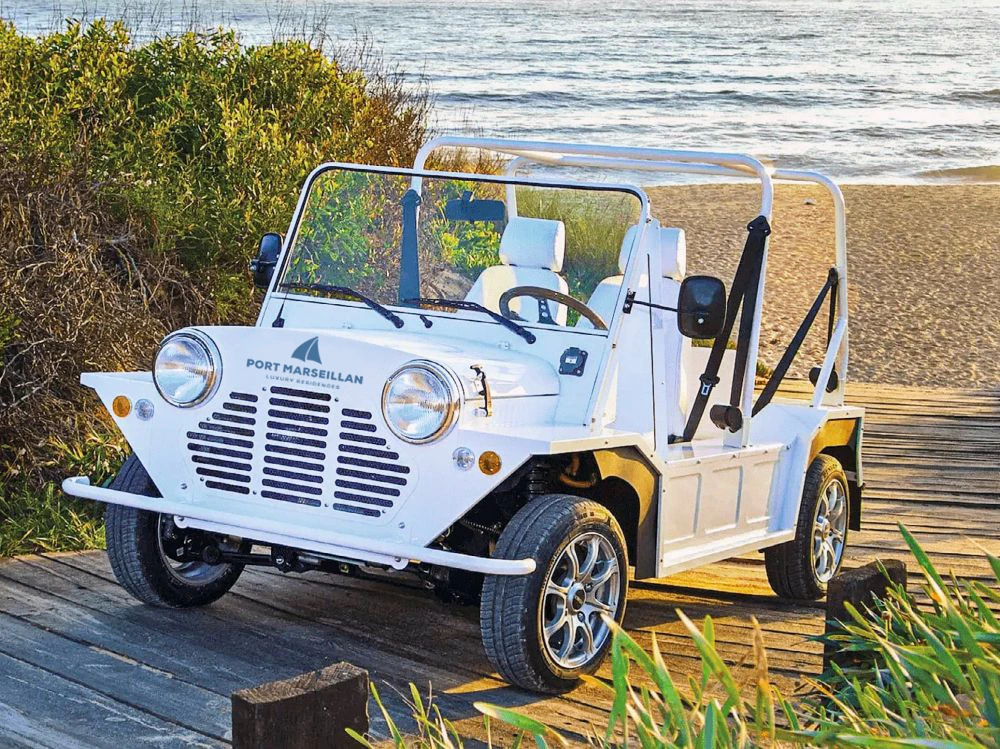
  • Our own electric mobility solutions (electrical mini moke, electrical bicycles …), which complemented with the urban mobility system of the city will offer a complete set of low-emission solutions.

Promote the integration of the project into local social life and economy

  • Participation in collaboration with the University of Montpellier in the analysis of sustainability scenarios on the “Étang de Thau” coastline.
  • Creation of 80 to 120 local jobs and establishment of alliances with local supplies and services companies, with special attention to food & nutrition and regional complementary amenities.
  • Promote local engagement with the local community to enhance the tradition, the culture and the local lifestyle as wine tastings, art exhibitions, music events…

It is about setting sustainable development at the center of the resort’s planning and management process, a need that perfectly aligns with our vision of next- generation resorts based on offering authentic experiences in unique settings.

In conclusion, our commitment to sustainable resort design is a testament to our belief in creating inspired and human-centred destinations that harmoniously balance economic viability, environmental responsibility and social impact.

Rustic Romance Carefully restored

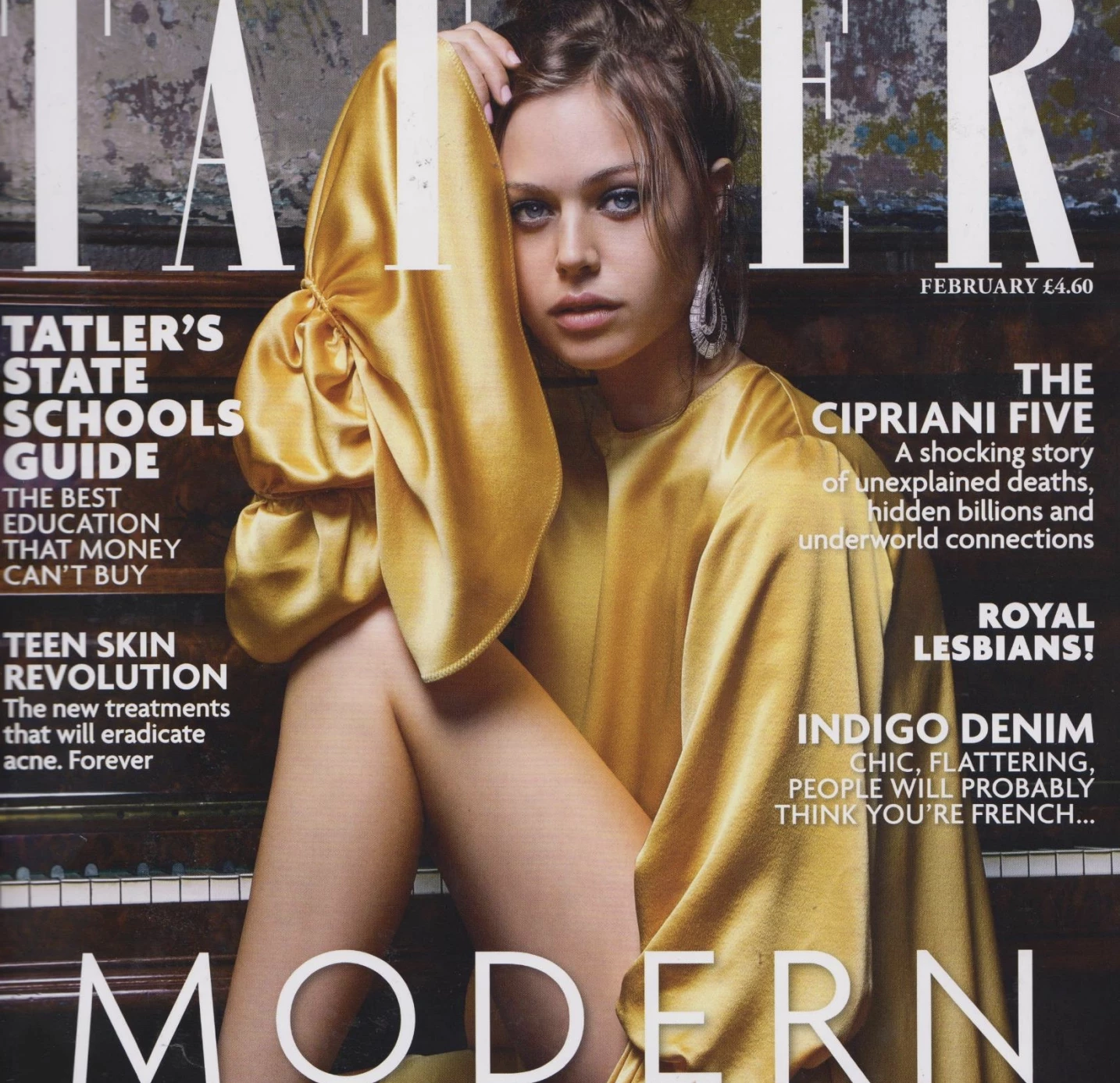
RUSTIC ROMANCE Carefully restored, published by Tatler about the historic Chateau de la Redorte is situated in the charming province of Languedd edoc-Roussillon. Close to the famed wine regions of Corbières and Minerhervois, this beautifully unspoilt region is one ofFrance’s e’ best-kept secrets.

The Branded Residences: Crisis-Resistant New Real Estate

Author: Miguel Espada, Serial Entrepreneur, Owner and President of the Propriétés & Co group and Slowlifecapital Family Office, Alumni of ESCP Europe and Harvard Business School.

There’s a current real estate trend that all property experts are discussing: the desire of High Net Worth Individuals (HNWI) to access a new level of luxury in their daily lives – to bring a turnkey, five-star experience to their homes. Enter Branded Residences – homes built under the auspices of a luxury name, often a hotel.

The global economy is going through a period of stress and uncertainty. This has led to a noticeable slowdown in residential real estate markets at large. Branded Residences, as a sector, have continued to grow strongly in the face of the new housing crisis, especially in Europe and in France.

The concept of Branded Residences has been around since the 1920s, but it wasn’t until the 1980s that the sector truly emerged as a significant subset of the residential market. Initially focused on North America, residential programs in partnership with hotel brands are now present in nearly all global markets, with exceptional new real estate projects in Europe such as Mandarin Oriental Residences in BarceloneAmanzoe villas in GreecePort Marseillan Residences in the South of FrancePine Cliff residences in Algarve – Portugal, or OWO Residences by Raffles in London.

Worldwide, there are 690 completed projects as of mid-2023, with over 600 projects in the pipeline expected to be delivered by 2030. This future growth aligns with historical trends – over the last decade, Branded Residences projects have increased by over 160%.

Global sales of luxury properties are experiencing significant growth. Key markets such as the United States, Mexico, the United Kingdom, Australia, Saudi Arabia, Dubai, Spain, Portugal, Greece, and France are preferred destinations for purchasing secondary residences. Here’s an analysis of the current and future Branded Residences market…

Learn more

The Luxury Residential Market Worldwide according to Knight Frank

The evaluation of the branded luxury residences market covers 324 projects comprising over 26,000 residential units in 52 countries. Among the surveyed projects, 186 are operational, and 138 are under development. Our assessment of projects with known opening dates indicates that the sector will experience an average growth of 12% per year until 2026. Saudi Arabia and Vietnam are the markets experiencing the fastest growth in terms of project numbers, while the United Arab Emirates, Mexico, and the United Kingdom have significant projects in progress. Florida leads in the growth of the American market. Brands like Aman and Six Senses are experiencing strong growth, while The Ritz-Carlton (Groupe Marriott) and Four Seasons lead in terms of project numbers.

Knight Frank is indeed a renowned real estate firm, offering a wide range of services and having a global presence. Founded in the United Kingdom in 1896 and establishing its office in Paris in 1972, it has expanded to become a worldwide network with over 207 branches in 43 countries. With a team of over 6,000 experienced professionals, Knight Frank annually handles real estate worth a total value of £18.3 billion (approximately €22.9 billion) across commercial, agricultural, and residential sectors. Their services cater to a diverse clientele, ranging from individuals to major real estate developers, investors, and businesses, providing them with advice and expertise in various areas of real estate.

Branded Residences: An Effective Response to Economic and Social Evolutions

The evolving patterns of use continue to shape the preferences of buyers of secondary residences. With the current shift towards flexible and hybrid work, Branded Residences buyers are using their properties for longer periods. This evolution prompts changes in the supply of amenities and services globally, with brands adapting to meet evolving customer preferences.

Amidst this evolution, competition for destinations, developments, and buyers remains intense. Success in this continually growing global sector depends on a deep understanding of local markets, buyer trends, and the merging of brand identity with each unique location – factors that continue to propel projects and brands forward.

North America, once representing the entirety of existing programs, now accounts for a little over a third of the total supply. Over the last 30 years, the sector has expanded across all regions; the Asia-Pacific and the Middle East are hotspots, hosting an additional 40% of the total supply. The most significant growth during the covered period has been in the Middle East (+120%) and Central and Latin America (+89%). All regions of the world are projected to exhibit high growth levels by 2030.

Among the future wealth creation hubs, 10 countries hold the best prospects for anticipated growth in UHNWI population from 2022 to 2027. France is among the Top 5 countries with the strongest global demand for luxury residences in 2023. Asia is the most active market in terms of volume according to experts. The Branded Residence concept is well-established in this region, with room for further growth. According to these same experts, certain European cities will also benefit from the Branded Residences phenomenon. London and Barcelona will lead, but Europe’s growth will focus on beach resorts and leisure destinations in Portugal, Turkey, France, and potentially Italy and Greece. The Middle East is, of course, very important, with Dubai in the United Arab Emirates, but Saudi Arabia is thriving in the Branded Residences market. The Americas also experience healthy growth, with demands for urban and leisure locations for branded residential projects in the United States, the Caribbean, and Mexico.

Savills’ analysis Branded Residence Market

The past year has been marked by global economic uncertainty, resulting in a general slowdown in residential real estate markets. However, high-end residential properties have maintained their strength despite these challenging economic conditions. Concurrently, luxury residences are expanding globally, with brands exploring new territories to expand their footprint. This expansion is particularly evident in emerging markets, where these brands leverage their reputation in rapidly growing economic regions accumulating wealth.

The landscape of luxury residences is transforming with the entry of new players, including brands not traditionally part of the hotel sector. While luxury hotel brands remain predominant, other segments are emerging, promoting diversification to cater to diverse buyer needs in various geographical areas.

Shifts in usage patterns are also influencing buyer preferences. With the rise of flexible and hybrid work, luxury residence buyers invest in homes they occupy for extended periods. This trend leads to adaptations in offerings in terms of amenities and services on a global scale, with brands adjusting to meet these shifts in customer preferences. In this evolving context, competition for developments and buyers remains intense. Success in this continually growing sector depends on a nuanced understanding of local markets, subtle buyer trends, and the integration of brand identity with each location, elements that continue to drive projects and brands forward.

“On a global scale, the luxury residence landscape has expanded,” according to Rico Picenoni, Head of Savills Global Residential Development Consultancy. It no longer confines itself solely to luxury hotels but begins to offer products at all levels within hotel chains.

Founded in the UK in 1855, Savills is one of the world’s leading real estate agencies. For over 160 years, they have offered exceptional properties, specialized services, and expert advice to their clients, helping them make decisions and achieve their real estate ambitions.

Branded Residences: Much More than a Trend

Let’s revisit some advantages of Branded Residences for hotel groups:

  • Instantaneous customer relations
  • Additional revenue streams from management fees and licenses
  • Numerous advantages for buyers
  • Hassle-free property management
  • Quality of life with superior services and amenities
  • Professional house management
  • Guaranteed rental income potential
  • Loyalty programs offering discounted stays across the hotel network
  • Benefits for developers
  • Buyer trust through brand association
  • Premium prices for developers
  • Enhanced project visibility
  • Consistency at all levels
  • Access to hotel clientele

What are the profiles of Branded Residences buyers?
Regular buyers of luxury residences are High Net Worth Individuals (HNWI), wealthy individuals whose net worth generally reaches around $1 million. They are drawn to the concept of these brands because, while easily affluent, they often lack time. Thus, the benefits of delegating home management and enjoying luxury experiences and services offered by the brand make it an attractive and wise investment.

What is the model of Branded Residences?
The majority of branded residences operate on a model where owners must acquire a set of standard accessories and furniture to integrate their home into the rental program. Additionally, the hotel services offered provide an instantly luxurious lifestyle, while extras like housekeeping or a private chef can be purchased additionally.

Like any residential property within a resort, owners pay an annual fee for the maintenance of common areas and facilities. However, this type of residence is often perceived as a symbol of success and a trophy by many buyers in this segment.

Typical services and amenities offered by hotel groups:

  • 24-hour security
  • Valet services
  • Concierge, reception, housekeeping
  • On-site dining
  • Entertainment, travel, and golf reservations
  • Personal sports coach
  • On-site spa and wellness
  • Childcare and pet services
  • Indoor and outdoor pools

The idea of a Branded Residence: Unquestionable Relevance for Investors and Users

This type of real estate investment shows no signs of slowing down and could even gain more popularity due to significant geographical expansion. Currently under construction in the Middle East, Latin America, Europe, Asia, and Africa, these residences promise additional growth in regions like the United Arab Emirates, China, Israel, and Qatar.

Other brands, whether in travel, automotive, gastronomy, or fashion, are also exploring this luxury residence concept to gain buyer confidence in the real estate sector. Some experts even believe that as buyers seek more personalized services, brands will turn to even more unique residences rather than ready-made models.

In the fashion industry, consider Karl Lagerfeld.
The couture house, based in Amsterdam and Paris, inaugurated its first luxury residences in Marbella, Spain, in 2021 and recently announced branded residence projects within The Sail hotel tower in Melaka, Malaysia. Lagerfeld, who passed away in 2019 after an exceptional career as a designer, was involved in numerous interior and hotel projects throughout his life. The interior design sector has become a lucrative field for luxury brands in recent years. However, houses such as Fendi, Karl Lagerfeld, Elie Saab, and Dolce & Gabbana are now considering investing in real estate. In Marbella, a luxury resort in Spain, these brands now offer “Branded Residences” to millionaires.

In the automotive and fashion sectors: Porsche Penthouses and Armani Apartments
Branded residences in the Americas are expected to double by 2030: real estate developers are eager to partner with luxury brands to offer luxury residences at affordable prices. The amenities at Armani Casa à Sunny Isles Beach, Florida, are continuously improving. Led by the renowned Giorgio Armani himself, the interiors offer exceptional design accompanied by a collection of high-end artworks. Add to that a private restaurant, gym, spa, cinema, lounge, as well as a cigar and wine cellar.

For Daniel Tzinker, a real estate broker at The Agency, who acquired a property in this building near Miami, it’s not just these extraordinary amenities that caught his attention. It’s the brand!“. This name has significantly boosted the value of the building,” emphasized Mr. Tzinker. “Will people be more intrigued by a building bearing a brand than an anonymous building? It’s a very clever idea.” While residences offering 5-star restaurants and hotel-quality amenities are not new, their locations were once known only to affluent buyers. Now, ultra-luxury brands like Fendi and Nobu are entering the market by developing branded residences. In Florida, there are 40 similar projects to Armani, a rapidly expanding market for branded residences, with 20 others in progress. According to Savills, the first 15 sites of this kind in America are expected to double by 2030.

Real estate developers know that these high-end properties are expensive and attract a specific group of buyers eager to associate with a brand. Thus, competition intensifies in this sector, with new amenities and brands. “Developers are looking to generate additional income, regardless of the quality of already high-end constructions,” explains Peter Bazeli, director at Weitzman, a major branded residence consultant in the United States. “They want to create value based on exclusivity. This is where a brand can play a crucial role for developers.”

And again in the automotive sector, this time: Mercedes-Benz in Dubai
The Mercedes-Benz Places project, planned in the heart of Dubai, was recently announced. Both companies highlighted that this collaboration arose from a shared passion for iconic design and innovation. This partnership aims to push the boundaries in design and luxury residences, merging the worlds of real estate and automotive excellence. Binghatti Properties unveiled the architectural plans for this exclusive residence, which will rise 341 meters high and span 65 floors. Muhammad BinGhatti, PDG de Binghatti, expressed his enthusiasm: “We are very excited to collaborate with Mercedes-Benz, an iconic name, to create the first luxury residence bearing the Mercedes-Benz brand globally. Mercedes-Benz Places in Dubai is not limited to being a mere real estate project; it will also focus on community and mobility, thus setting new standards for smart lifestyle.”

The Port Marseillan project benefits from this economic momentum, pioneering the French Real Estate Branded Residence market

In the south of France, the seaside resort project Port-Marseillan stands as a pioneer in the luxurious segment of Branded Residences in France. It’s no coincidence that this unique destination and exceptional site were chosen by one of the biggest names in the hotel industry.

This project was initiated by Miguel Espada, President of the Propriétés & Co group, and will not only include luxury apartments and villas but also a 5-star hotel, bearing the stamp of a luxury brand from the leading international hotel group, which will soon be unveiled.

The global distribution of Branded Residences, such as Port-Marseillan, also continues to expand, with brands seeking new unique locations to develop their portfolios. This expansion extends particularly to emerging markets, where brands capitalize on their reputation in regions experiencing rapid economic growth and wealth accumulation. Thus, the Propriétés & Co group believes strongly in the development of Branded Residences in Africa and has indeed started investing in several African countries.

In France, agencies like Keller WilliamsSotheby’s RealtyBeaux villages immobilier or Remax Belgium, trust Propriétés & Co Development team & Port-Marseillan Branded Residences project, a fine example they aim to support by offering it to their wealthy and international clientele. These international agencies are well aware that the growing interest in Branded Residences will become an essential new real estate product in the years to come.

Keller Williams Luxury Matis Pelé and Frédéric Sanz de Bella Pietra interview

Can you introduce Keller Williams and Keller Williams Luxury ?

Keller Williams is an American network with an international presence that entered the French market in 2018. Their strategy involves partnering with local and influential agencies, combining the strength of their local reputation with the power of an American international network, all in a mutually beneficial spirit. It’s a win-win-win situation: a win for the managers of these “Market Centers,” a win for the agents, and a win for Keller Williams. These are not traditional agencies; there are no storefronts. They are business centers that provide a collaborative environment where everything is made available for agents.

With a rating of 4.3/5 based on 5886 employee reviews on Indeed, what reasons can you cite for this exceptional score?

First and foremost, Keller Williams’ training is recognized as the best real estate training school according to Forbes magazine. Additionally, their entrepreneurial values set them apart. It is the only network that allows you to create your own agency within a Market Center at no initial cost (except for a fee based on a certain revenue threshold). Once that revenue threshold is exceeded, all sales made belong to the agents, making it a fantastic economic model. It’s not surprising that employees within this network are highly satisfied, as this model was built by agents, for agents.

Beanstock and Keller Williams France recently announced a strategic partnership aimed at promoting and democratizing real estate transactions related to rental investments. Is Port Marseillan a project that aligns with this type of clientele for you?

Negotiations are still ongoing, slowed down by market changes, but it should be imminent. Port Marseillan, as a model of rental investment, will undoubtedly benefit from the fruits of this new partnership for its financial products. However, Port Marseillan is much more than just a financial investment. If one is solely seeking profitability, there are other options available. Port Marseillan is primarily a trailblazer. It represents a rare opportunity to acquire property in the South of France managed, and this makes all the difference, by a 5-star hotel offering a multitude of high-end services. With this project by Propriétés & Co, driven by Miguel Espada, we are truly witnessing a luxury pioneer in the Occitanie region.

Is it still easy to purchase new properties with character around the Bassin de Thau?

In the past, one could certainly say it was easy, but times are changing. The charm and preservation of the environmental and cultural authenticity specific to the Occitanie region make Port Marseillan unmatched. It remains a unique and highly sought-after concept.

How does the real estate market around the Bassin de Thau compare to other luxury coastal regions in France in terms of prices and trends?

The authenticity of the products, the terroir, the environment, and the people explain the exceptional nature of Port Marseillan. We are talking about a preserved, even confidential place, with more space, which sets it apart from the more well-known, but more crowded, concentrated, and built-up French Riviera, for example. Thau boasts vineyards as far as the eye can see and the cleanest water in Europe, thanks in part to the demanding specifications imposed by the oyster farming activity, which is a flagship industry in the region along with viticulture.

Starting at €349,000 for suites, apartments, and villas around the Bassin de Thau, is this a reasonable budget for the location and the current real estate market?

The prices at Port Marseillan cannot be compared to the average standard real estate market because the services and amenities are far superior. Such a project has never been seen before!

Is it difficult to sell off-plan (VEFA) new real estate?

No, because even in the case of delays, people understand, especially when it occurs during a global health crisis. Managing timelines remains crucial, though. It’s a matter of trust between us and the developers; we need to be in sync. The level of agreement and trust we have with Propriétés & Co – lead by Miguel Espada and their Sales Manager Yves Khoury – is precisely what allows us to be reassured and, consequently, reassuring for our clients. This enables us to provide more arguments to make buyers patient because we genuinely believe in what we say.

How do you explain the concept of “Branded Residence,” which is relatively new in France, to your clients?

In France, second homes have an occupancy rate of 15 days per year. The rest of the time, they remain vacant. There is an increasing qualitative attractiveness in the territory. So, this project perfectly combines these two points. In the case of Port Marseillan, you are not just buying real estate; you are buying property managed by a prestigious brand within the Marriott hotel group.

You can visit whenever you want during the year because it’s your home. But you are also at the hotel – with all the services of a 5-star hotel – a significant advantage for inviting friends or family. At the same time, you have a financial product with no constraints because the 5-star hotel takes care of everything! Most of our clients are looking for more than just services and the quality of the property; they seek an environment, authenticity, and a way of life that is typical of the Port Marseillan spirit: a true immersion in the Bassin de Thau territory, the best of both worlds…

Interview of the Toulouse Sotheby’s Realty manager Marie-Céline Chavanne

Can you present your group of agencies?

We have been in existence for nearly 20 years and represent the Sotheby’s brand for Midi Pyrénées and Périgord. We are a team of 20 collaborators who manage an international and national clientele.

You are a partner of Sotheby’s Realty, a large luxury real estate network specialized in high-end properties: Why? What advantages does this bring to your clients?

The Sotheby’s group is a true international network with a presence in almost every region of the world. We are interconnected and truly work together, with clients who may be interested in buying or selling in different regions. This way, we transfer their needs from one agency to another, ensuring the same level of quality and support.

What types of clientele do Résidences Port-Marseillan cater to: local, national, international?

Mostly international or national. Clients looking for this level of quality are primarily from abroad, as “Branded residences” are well developed in the USA, for example, but not yet in France. Miguel Espada is a French pioneer in the sector of Branded Residences.

What is the market like for character vacation homes today?

It exists, especially in cases where the entire organization can be handled by a team of professionals. This way, the property can be profitable when not occupied by its owners.

Does the concept of “Quiet Luxury” – discreet luxury, tailor-made, intimate atmosphere like at Port-Marseillan – still resonate nowadays?

It is still very popular! The main difficulty is being able to offer our demanding clientele the right real estate products in this segment, as they are particularly rare. Sometimes, the prevailing gloominess that French media tend to emphasize daily can be an issue. When people keep hearing that everything is going wrong, they may withdraw and wait for a better time. For the properties in the Port Marseillan project, the right time is now. Later on, it will be too late, as the number of villas with private pools, for example, is limited to 34 units.

What unique characteristics of the real estate market around the Bassin de Thau make it attractive for luxury property buyers?

Its unique waterfront location, the view, the quality of services offered, and the peace of mind that comes with having everything organized for them.

How has the real estate market around the Bassin de Thau evolved in recent years in terms of demand, prices, and availability of luxury properties?

The reputation of the city of Sète, put in the spotlight with its numerous TV series shootings, has truly boosted all the towns around the Bassin de Thau. The renown of Marseillan, already known for its lifestyle, has naturally benefited from this momentum. The arrival of new players who have settled around the lagoon has also contributed to consolidating the “People” image of Thau, subsequently attracting many real estate investors. As for luxury properties, it’s the quality and rarity of a location that draws people in. Since building around the pond has become almost impossible, Port-Marseillan becomes an exceptional opportunity, further supported by the Propriétés & Co Group, led by Miguel Espada, a Branded Residences expert.

Is it more challenging to sell off-plan real estate (VEFA) rather than old properties in the luxury property segment?

To recap, buying off-plan (VEFA) means acquiring a property that is not yet built. The residence in question could be a character apartment or a villa with a pool. Buying off-plan allows acquiring a property that meets the latest construction standards, such as energy efficiency.

To protect the buyer of off-plan property, the property developer must subscribe to insurances that offer associated guarantees for construction, such as:

  • Completion guarantee.
  • Guarantee of apparent defects and non-compliance.
  • Guarantee of perfect completion
  • Ten-year construction guarantee.

Notary fees represent 2 to 3% of the purchase price for a new residence acquired off-plan (VEFA), compared to 7 to 8% in the case of buying an existing property. This is why we refer to “reduced notary fees” when it comes to new acquisitions.

The most commonly shared disadvantage is the time required for construction. It can sometimes be challenging to make certain, more impatient clients accept it from the beginning of the work until the completion.

How do you explain the concept of “Branded Residence” simply to your clients, which is relatively new in France?

It is an investment in new real estate, full ownership, but located within a luxury resort where one can spend time and also invest money, backed by an international hotel brand that provides exceptional services and manages everything, from maintenance to the rental aspect! It is an appreciated comfort, especially among foreign clients who rely on the hotel management company.

Interview with Séverine Jaulent from Beaux Villages Immobilier

Séverine Jaulent is head of legal and Human Resources, as well as Business Development.

Can you introduce the Beaux Villages agency group?

Beaux Villages Immobilier is the first stop for many French and international clients when it comes to searching for or acquiring a property. With 22 agencies throughout the southwestern region of France and a complete workforce of 250 people, we work with a global clientele and take pride in the quality of our service, experience, and professionalism. We have been voted the best real estate agency in France for 7 years and the best in Europe for two years, which is also something we are very proud of. This recognition of the service we offer to our clients is close to our hearts.

You are a partner of Savills, a group with expertise in local and international markets with 160 years of history. Why?

What advantages does it bring for your clients? There is synergy between the goals of Savills and Beaux Villages: our common approach aims to be the “top of the class,” making our partnership a perfect combination. We chose to partner with Savills for their innovation, the values of their brand, and their global reputation. Through our own global marketing, we can now work with other Savills agencies or their partners throughout France and the world to find buyers interested in our regions and also offer the ideal property to clients whose search extends beyond our area of operation.

What types of clients are the Residences Port Marseillan open to? Local, national, international?

The Luxury Residence Port Marseillan has something to attract all types of clients: the setting is unique, and the offering is of high quality. Whether it’s investors or individuals looking for an exceptional living environment and services while respecting local biodiversity, it is easier to find arguments in favor of this project than to find comparable ones! Additionally, wine and water sports enthusiasts will also find an appealing package upon acquisition… We offer this property to our entire clientele without any restrictions.

What are the appealing features of a destination like the Thau Lagoon and the town of Marseillan?

Firstly, it is a protected environment: the biodiversity of the Thau Basin is unique, mainly due to the quality of its water and the care that the surrounding communities take in its protection. Additionally, the Thau Basin is surrounded by vineyards, and this viticultural culture is also part of the local DNA. It has the ability to charm both sea and land lovers equally.

This is certainly what led these same communities to come together to offer a high-quality lifestyle: you can find a good number of gourmet restaurants, some on the water, and there is no shortage of opportunities to taste the local oysters. Specifically, the tourism figures for the area are commendable: In 2022, more than 9 million overnight stays were recorded in the destination, representing a 15.1% increase compared to 2021. Without any COVID-19 restrictions, foreign clientele increased by 47.8%, and the French clientele remained very present with a 6.1% increase compared to 2021.

The number of French excursionists (excluding Hérault) and foreigners exceeded 11 million, representing more than 52% compared to 2021, in addition to 769,602 excursionists from Hérault. The total number of visitors in 2022 (tourists and excursionists) throughout the Archipelago of Thau territory is 13,331,888, representing a 47% increase compared to 2021 and a 47.18% increase compared to 2019, showing a significant growth. This figure represents an equivalent of an additional annual population of 57,966 people (the population of Sète Agglo pôle: 127,927 inhabitants – census 2020, source: INSEE).

What elements have attracted you the most in the Port Marseillan project?

We are a real estate brand, and our luxury service specializes in exceptional properties. Port Marseillan naturally fits into this search, given the offered amenities and the rarity of the setting and the offering.
The respect for biodiversity is a significant advantage for our clientele. Personally, as someone living in Carcassonne, Marseillan is my preferred destination on the Mediterranean coast. The charm of this place captivated us upon our arrival, and we have influenced others because all our friends are now fans. It is always easier to sell a product that we love and believe in!

Which neighborhoods or cities are the most sought after around the Thau lagoon in terms of luxury real estate, and why?

The Thau lagoon and its “archipelago” of communities have seen the emergence of some high-end projects and have promising prospects.

Frontignan and Loupian have remarkable historical heritage (ramparts, Renaissance facades, winemaker houses, Saint-Hyppolyte Romanesque chapel, Sainte-Cécile Gothic church, remains of the Paleo-Christian church, and of course, the essential Gallo-Roman villa).

Sète boasts 12 kilometers of sandy beaches and the Mont Saint-Clair site, offering an exceptional panorama from the Mediterranean to the Pyrenees. The city itself is crisscrossed by numerous canals, giving it a Venetian atmosphere.

Marseillan stands out as the pearl of Thau, with its charming and authentic harbor and exceptional quality of life, which has given rise to luxury brands like the Tarbouriech oyster and Noilly Prat Vermouth.

Regarding real estate, as in any protected environment, the complexity lies in obtaining urban planning authorizations in the outskirts of the Thau lagoon, which is almost impossible. In other words, apart from existing developments, most of the bassin remains protected and does not allow for an increasing number of new developments.

That’s the advantage of the Port Marseillan project, which will combine the luxury of a 5-star hotel with high-quality residences in a protected environment but already benefiting from a prestigious image. In my opinion, it will be difficult to surpass this in the region.

What are the growth prospects and investment opportunities in the real estate market around the Thau lagoon in the medium and long term?

Montpellier airport (40 minutes from Marseillan), as well as other local airports, are developing numerous regular flights and actively contributing to the tourism development in this region. Some confidential luxury brands are already investing in this region, and certain offers in the town of Marseillan will be unique, adding to the local quality of life. Some of our knowledgeable clients are requesting this destination even before we can propose it to them, and they are right.

However, respecting coastal and urban planning laws, the coastal real estate offer in the Thau lagoon is naturally limited. Like any real estate expert, we advocate for the choice of location, first and foremost. Since this kind of opportunity arises very rarely, we are delighted to offer it to our clientele.

Is it more challenging to sell off-plan new real estate (VEFA) compared to older properties?

All off-plan sales have specificities often unknown to the public. It is crucial for a real estate expert to have in-depth knowledge of the offer to present it effectively and relevantly to any client because often, this offer comes with attractive advantages (numerous guarantees on the construction, staged payments, tax benefits, reduced notary fees, etc.) that can appeal to a wide clientele, provided they can wait for the completion of the works (an average of 24 months is quite common for the delivery of this type of property).

How do you explain the concept of a “Branded Residence” to your clients, which is relatively new in France?

The concept of serviced residences is not entirely new in France. The novelty lies in the quality of the brand partner of Port Marseillan residences and the quality of the resulting offerings and services. For a client to understand this concept well, it needs to be relevant to them, and that begins with good listening and analysis, which is expertise itself.

We are real estate experts, advisors, and intermediaries. Our philosophy is centered around customer service. Our salaried teams have been trained on this type of product to provide support and ensure the satisfaction of our clients, and we also put this expertise at the service of quality projects like Port Marseillan.

A safe Heaven

Safe Heaven investments

It is widely recognized that a safe haven investment is one whose value does not fall during an economic or financial crisis.

Investing in real estate is an attractive option for many individuals who are looking to grow their wealth over the long term. Compared to placing money in a bank account, real estate investments offer several benefits that can help investors achieve their financial goals.

First and foremost, real estate investments can offer higher returns than bank accounts. While savings accounts and certificates of deposit (CDs) offer low interest rates, real estate investments can generate both rental income and appreciation in property value. With a well-managed real estate investment, investors can see returns up to 5-6% per year on top of capital appreciation within a country with strong touristic demand in the heart of Europe and a stable economy.

Long Term Growth versus Fixed rates of Return

Another advantage of real estate investments is their potential for long-term growth. Unlike bank accounts, which offer relatively fixed rates of return, real estate investments have the potential to appreciate significantly over time. As property values increase, investors can realize capital gains when they sell their properties, resulting in even higher returns.

In addition, real estate investments can provide diversification to a portfolio. Bank accounts are generally considered to be low-risk investments, but they offer little in the way of diversification. Real estate investments, on the other hand, can help investors spread their risk across different types of properties and locations. This can help to mitigate risk and provide a more stable return on investment.

Real estate investments also offer tax benefits that are not available with bank accounts. Rental income from a property can be offset by various expenses, such as mortgage interest, property taxes, and maintenance costs. This can help to reduce the investor’s taxable income and result in significant tax savings.

Inflation Hedging

Finally, real estate investments can offer a hedge against inflation. As inflation erodes the purchasing power of money, real estate investments can help to protect against this by providing a steady stream of rental income and appreciating in value over time. This can help to ensure that investors maintain the value of their money and continue to grow their wealth over the long term.

In conclusion, investing in real estate can offer several advantages over placing money in a bank account. With the potential for higher returns, long-term growth, diversification, tax benefits, and inflation protection, real estate investments can be an attractive option for investors looking to grow their wealth and achieve their financial goals. However, it’s important to do your research and work with a qualified professional to ensure that your real estate investments align with your overall investment strategy and risk tolerance.

A rare investment opportunity

Location, location, location! These are among the key words for a profitable investment. This time we are heading South of France, destination The Thau Lagoon and Marseillan where a one of kind and unique branded residences project is seeing the light, managed by one of the world leaders in the hospitality industry and initiated by Miguel Espada. Check it out on : www.port-marseillan.com

Offering a rare investment opportunity for those seeking capital appreciation, juicy rental returns for their purchased assets and an unprecedented luxury and services level in this Authentic oyster region in the South of France.

Many of the top well known real estate agencies are teaming up to promote the project, such as: SavillsKeller Williams MontpellierBeaux VillagesSotheby’s ToulouseSotheby’s MontpellierColdwell Banker Immobilier CollioureScandimmoSantoni ImmobilierPierres Blanches Immobilier

“Nothing is more expensive than a missed opportunity” – H. Jackson Brown Jr.

Surge in real estate prices around the étang de Thau

According to the Chambre des Notaires de l’Hérault, the overall increase in real estate transactions is reaching record levels in the department. The “Top Three” consists of the Montpellier metropolis, the coastal municipalities, and charming little fishing villages around the highly attractive Étang de Thau lagoon. The strong demand for housing and the lack of supply in the Hérault real estate market explain this increase. Prices for new, conventional housing have increased by +3.6% to €4,540/m² (€4,045/m² expected in 2023 for Marseillan), and growth is expected to remain strong in the years to come. Prices in luxury real estate are already reaching €10,000/m² for some properties in municipalities around the Étang de Thau lagoon.

Many actors work around the Thau basin and set up camp there

The city of Sète and the Thau Basin have a real love story with the 7th art, attracting the attention of many directors and production companies for a long time. Sète accounts for no less than 30% of film shootings in Occitanie. Several TV series and films, such as “Candice Renoir” or “La Pointe Courte” by Agnès Varda, have chosen this city to shoot successful productions. The natural and preserved scenery of this secret corner of Hérault is a major asset, as is the sunshine and diversity of its population. Film studios are multiplying in Occitanie. For example, France Télévision has created state-of-the-art studios of 16,000 m2. The daily TV series “Un si grand soleil” is one of the many productions from these studios, gathering an average of 3.9 million viewers each day. With 2,500 collaborators and 600 employees living in Occitanie, the studios also employ 86 local actors, 1,093 extras, and 526 technicians. New studios are under construction, making Vendargues a place of constant expansion. France Télévisions also has a significant economic impact on the region, training hundreds of specialized interns in local animation and film schools such as ArtFX, Esma, and Travelling.

7/7 for the 7th art in Sète !

Sète is the filming location for the TV series ‘Demain nous appartient’, which airs 260 episodes per year, 5 per week, and has over 3.5 million loyal viewers every evening. This addictive series owes its Success Story undoubtedly to the strategic choice of the filming location which is far from being a stranger to its success. But several other films have also chosen this city, such as ‘Mektoub, my love: canto uno’, ‘Balle perdue’ or ‘Qui m’aime me suive’ by José Alcala.

A notoriety that raises the standing of the bassin de Thau

The department of Hérault has become one of the main players in the film industry in France, with numerous productions shot in the region. Personalities such as Benjamin Biolay, Laurent Delahousse, Alice Taglioni, Ingrid Chauvin, Alexandre Brasseur, Jérémy Banster, Alexandra Lamy, Vanessa Demouy, and Emma Smet have even chosen to settle there.

The future Hotel du Port and the luxurious Port Marseillan Residences built by the real estate developer Propriétés & Co offer an unobstructed view of the Bassin de Thau and Sète, providing an ideal setting to relax while being close to film studios and TV sets.

Marseillan, a haven of peace served on a platter for TV productions

In addition to Sète, the town of Marseillan has also inspired many filmmakers, transforming this peaceful corner of life into a film set. Films such as “Mon inconnue” by Hugo Gélin, “Grâce à Dieu” by François Ozon, “Respire” by Mélanie Laurent, and “Les Lionceaux” by Claire Doyon have all been shot in this region. “Coup d’éclat,” on the other hand, was filmed in all the towns around the Étang de Thau. The Domaine de la Bellonette in Marseillan is also highly regarded by filmmakers in search of grand character properties in the south of France.

Cinema, but also literature, song, and painting

This preserved natural lagoon is a true haven of inspiration for artists of all genres. Icons Georges Brassens and Paul Valéry both found rest on its shores, one at the marine cemetery and the other at the cemetery of Py. But that’s not all, Thau also attracts renowned contemporary artists such as Pierre Soulages, who has taken up residence in Sète, and Jean Denant, a multidisciplinary artist who still lives and works in the region today. Discover the monumental works of these artists, such as “La Méditerranée” by Jean Denant, exhibited on the Corniche de Sète, or “L’autre mer,” a commission by the Liedts-Messen Foundation, installed on the East facade of the Château du Port in Marseillan. Gilles Dupuy also created an important commission of paintings inspired by the mussels and oysters of the Thau basin for the Port Marseillan project while Armelle Carron exhibited works in the form of stickers in the Port Rive Gauche residence in Marseillan. Finally, don’t miss the movement of “figuration libre,” which was born in Sète with painters Robert Combas and Hervé Di Rosa as leading figures. Thau is truly a must-visit for all art enthusiasts, whether you’re a fan of cinema, literature, song, or painting!

The alternative medicine that comes from the sky

Heliotropism (from the Greek words Helios, ‘sun’, and Tropos, ‘tower’: to turn towards the sun) is characterised by the movement of certain populations towards sunnier regions. It should be noted that this phenomenon was renamed “Phototropism” at the end of the 19th century by Charles and Francis Darwin. Thus, many Europeans living in Northern Europe acquire second homes in Southern Europe such as the South of France to take advantage of the mild Mediterranean climate.

We are talking here about amenity migration and not climatic constraints. The aim is simply to get closer to an appreciable and pleasant environment to improve one’s well-being, lifestyle, physical health and morale. When Man is free to choose or suddenly allows himself to become so, he adopts a reflex of biomimicry and instinctively turns towards the light like a sunflower, which does not turn towards the sun, as is commonly believed, but towards the light.

The Hérault, regular but moderate sunshine!

In 2021, the Hérault department has been ranked as the 7th sunniest department in France, behind the Bouches-du-Rhône, the Var and Corsica. This ranking is a considerable asset in these times of global warming. The prospect of a radical paradigm shift has already begun in terms of tourism. The ultimate quest is no longer to target the hottest territories, but rather those that continue to offer a pleasant and comfortable level of sunshine. The Hérault department, for example, has 300 days of sunshine per year with a temperate climate on the Mediterranean.

On Thau, the gradations take on a life of their own!

Lumière étang de Thau Sète

The Thau lagoon is famous for its enchanting sunrises and sunsets. Unrivalled in terms of gradations, it benefits from a mirror effect on the lagoon which is absolutely incredible. Perfectly smooth and sheltered from the tides, the Thau lagoon intensely reflects the sun’s light, ranging from yellow to pink, even red, or a dark blue tending towards violet. This natural singularity undoubtedly contributes to the embellishment of the territory and its aestheticism. The “Mozart Circle” of the Mediterranean region has already expressed the idea of registering the Etang de Thau as a UNESCO World Heritage Site.

How does this magic of light work?

The variations in colour are due to the distance the light travels in the atmosphere. The light first passes through a layer of nitrogen, oxygen, rare gases, but also dust, pollen and various other pollutants that make up the atmosphere, before coming to rest on the ground or spreading out on the surface of the water in perfect symmetry. The more molecules this light encounters in its path, the more it diffuses.

At sunrise and sunset, the sunlight travels a long way through the atmosphere: all the colours with short wavelengths disappear and the colour of the sky and the sun turn pink, orange or red. In the middle of the day, there is little light scattering because the path of the sun’s rays through the atmosphere is short and the sky is blue. In the mountains, this path is even shorter and the blue of the sky becomes stronger until it appears dark blue.

Why is the Thau basin so famous for its lights?

Even if the municipality of Marseillan fights against light pollution, colour hunters know that they will always be satisfied by coming here and will never leave empty-handed. The size of the lagoon, 70 km2, and the distance that separates Marseillan from Sète, for example, is enough to welcome a moment of grace that we owe to the dark side of the place, purified of all urban pollution, except for a fine garland of lights that stretches timidly into the distance to border the feet of Mont Saint-Clair.

Miguel Espada, founder of the investment company Slowlife Capital and director of the real estate group Propriétés & Co, developing second home real estate project Port Marseillan is a lover of the Thau Basin: “the sunsets and sunrises over the basin are light shows of a rare intensity that create magical moments and strong emotions!

Then, of course, the magic of the water takes over and doubles the intensity of the colours by adding even more subtle nuances. The flat calm of the Etang de Thau concentrates and retains these coloured pixels that have fallen from the sky, delicately nestled in its arms, trapped and stuck in the most marvellous and painless of clamps…

A second home opposite the Thau Basin: it’s never too late!

Here’s a brilliant idea to offer yourself a second life that could compensate for the bustle of the city and all the stress that comes with it. A second home in the south of France is a second chance!

The happiness hormone released!

Exposure to sunlight and ultraviolet rays releases serotonin, often referred to as the “happy hormone”. A chronic lack of light can lead to “sluggishness”. This is known as seasonal depression. It is particularly noticeable in northern countries where sunshine is limited to a few hours a day in winter. So, to be happy, do you have to head south? It’s obvious that the amount of sunshine has a considerable impact on our mood and therefore – when it is regular – on our feeling of being well, more relaxed and happy.

But the benefits of the sun are not limited to making us feel more cheerful. It helps to regulate our internal clock, thus contributing to better sleep. UV rays synthesise vitamin D, a hormone that plays an important role in the functioning of cells and in fixing calcium in the bones. A feeling of well-being + better sleep + an even mood + more intense and frequent exposure to the sun behind our windows to help us reduce our energy budget = these are all arguments in favour of a pied à terre by the Mediterranean.

The “lux”, which is the unit of measurement for illuminance (symbol: lx). For the record, it characterises the light intensity received per unit area. One lux is the illuminance of a surface that receives, in an evenly distributed manner, a luminous flux of one lumen per square metre. Clearly, Lux contributes to our happiness from within… When health is involved, the stakes become serious. It is therefore not surprising that the Hérault has been crowned the 2nd most attractive provincial department in France, with a dynamic demography due precisely to this attraction for a mild and sunny Mediterranean climate.

Like St Tropez before Bardot

South Of France Gets A New Luxury Seafront Resort With Villas And Vineyard

The Genius Loci

A Paradisiacal and confidential Place to Live Between the French Riviera and Barcelona

Rustic Romance Carefully restored

A safe Heaven

The alternative medicine that comes from the sky

The Sunday Times – The outlook’s rosé

Second Home in France: A Promising Market for Foreign buyers

When Architecture Meets Wine

Frédéric Privat interview

Resort Sustainable Design Strategy. The pioneering example of Port Marseillan

The Branded Residences: Crisis-Resistant New Real Estate

Keller Williams Luxury Matis Pelé and Frédéric Sanz de Bella Pietra interview

Interview of the Toulouse Sotheby’s Realty manager Marie-Céline Chavanne

Interview with Séverine Jaulent from Beaux Villages Immobilier

Surge in real estate prices around the étang de Thau